
Anthony Conti Roofing Roof Repair Experts in North Palm Beach
A small roof leak in North Palm Beach can become a serious home problem faster than many homeowners expect. Warm humidity, sudden rain bands, salt air, and high summer heat all put pressure on roofing systems. A loose shingle, cracked tile, failed flashing, or clogged valley may look minor from the ground, but water often travels before it shows up as a ceiling stain.
That is why roof repair is not just about patching the most visible spot. A good repair starts with finding the source, understanding how Florida weather affects the roof, and choosing a fix that holds up under the next storm. For homeowners in North Palm Beach and nearby Riviera Beach, working with a local roofing team can make the difference between a temporary patch and a dependable repair.
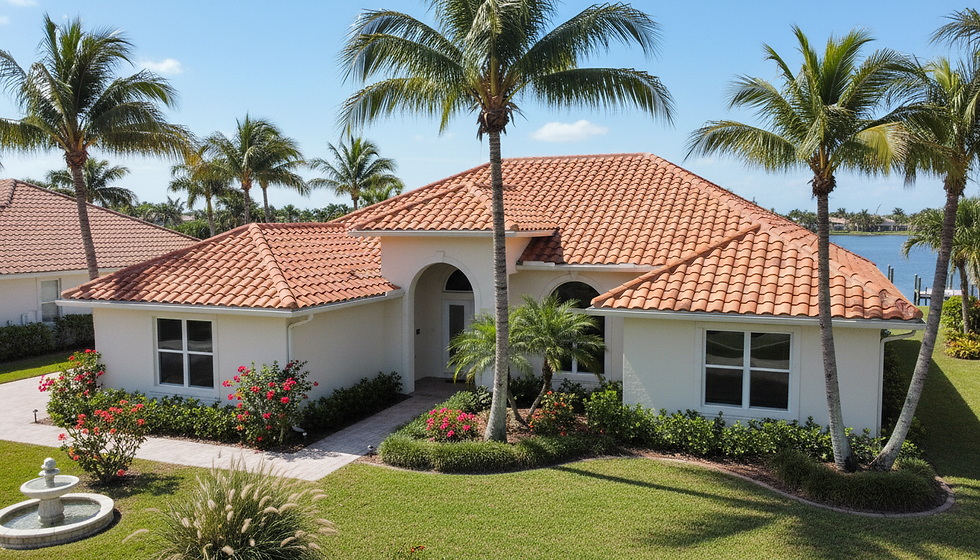
Common roofing issues North Palm Beach homeowners face
Roofs in South Florida deal with conditions that are different from many other parts of the country. The National Weather Service describes Florida as one of the most thunderstorm-prone states in the U.S., and coastal communities also face wind-driven rain, intense sun, and salt-heavy air. Those factors can wear down roofing materials over time.
Here are the repair issues homeowners often notice.
Wind and storm damage
High winds can lift shingles, shift tiles, loosen ridge caps, and damage flashing. Sometimes the roof still looks mostly intact after a storm, but hidden gaps allow water to enter during the next rain.
Common warning signs include:
Missing or raised shingles
Cracked or displaced tiles
Debris impact marks
Exposed fasteners
New ceiling stains after heavy rain
After a strong storm, a roof should be checked from the ground first. Walking on a roof without the right training can cause more damage and create a fall risk.
Roof leaks and water intrusion
A roof leak does not always appear directly below the damaged area. Water can move along rafters, underlayment, insulation, or ceiling materials before it becomes visible inside the home.
Typical leak sources include:
Pipe boots and roof vents
Skylight edges
Chimney or wall flashing
Valleys where roof planes meet
Low-slope sections with poor drainage
A professional inspection helps trace the path of the leak instead of treating only the interior stain.
Damaged flashing
Flashing is the metal or waterproof material installed where the roof meets walls, vents, valleys, or other transitions. These areas are common leak points because they handle a lot of moving water.
In coastal Florida, flashing can loosen, corrode, or separate from surrounding materials. Once that happens, rain can enter even if the shingles or tiles around it look fine.
Aging underlayment
Underlayment sits beneath the visible roof surface and acts as a second line of defense. On tile roofs, underlayment is especially important because tiles shed water but are not the only waterproofing layer.
When underlayment ages, dries out, tears, or separates, leaks may appear even when the tile surface still looks serviceable. That is one reason roof repair experts look beyond the surface.
Fascia, soffit, and edge damage
The roof edge protects the transition between the roofing system, attic, and exterior walls. Damaged fascia or soffit can let water, pests, and humid air into the structure.
Signs may include peeling paint, soft wood, dark staining, sagging sections, or visible gaps near the roofline.
Why local roofing expertise matters
Hiring a contractor who understands North Palm Beach conditions is not just convenient. It affects the quality of the repair.
Local roofers see the same patterns year after year. They know how wind-driven rain behaves near the coast, how intense UV exposure affects roofing materials, and why small drainage problems can grow during summer storms. They also understand local permitting expectations and common roof types in the area.
A local team can also respond faster when weather causes widespread damage. That matters because roof leaks rarely wait for a perfect calendar opening.
Florida roofs need code-aware repairs
Florida has building standards designed for a high-wind environment. Roof work must be handled with attention to the Florida Building Code and local requirements. Even a repair that looks simple from the outside may involve fastening methods, material compatibility, ventilation, or waterproofing details that affect long-term performance.
A local specialist is more likely to understand how those requirements apply in practice.
Coastal weather changes repair priorities
In a dry climate, a small roof opening may not cause immediate damage. In North Palm Beach, frequent rain and high humidity make moisture control a priority. Once water enters the roof system, it can affect decking, insulation, drywall, and interior finishes.
That is why a good repair plan should address:
The visible damage
The underlying cause
The water path
Nearby weak points
Future storm exposure
What makes Anthony Conti Roofing a trusted local choice
Homeowners looking for roof repair want clear answers, careful work, and a team that treats the home with respect. Anthony Conti Roofing focuses on practical roof repair services for homes in North Palm Beach and surrounding communities, including nearby areas of Riviera Beach.
The company’s value starts with a repair-first mindset. Not every roof problem calls for a full replacement. In many cases, the right repair can extend the life of a roof and protect the home while avoiding unnecessary work.
Here are the services that matter most when roof damage appears.
Leak detection and repair
Finding the actual leak source is the first step. A surface stain may point to a general area, but the entry point could be several feet away. The repair process may include checking roof penetrations, valleys, flashing, underlayment edges, and attic conditions where accessible.
A focused leak inspection helps prevent repeat visits for the same unresolved issue.
Storm damage repair
After heavy rain or wind, quick action reduces the chance of interior damage. Storm-related repairs may include replacing missing shingles, resetting tiles, sealing exposed areas, repairing flashing, or addressing roof edge problems.
The most dependable repairs match the existing roofing system as closely as possible and correct the weakness that allowed the damage to occur.
Tile and shingle roof repair
North Palm Beach homes often use tile, shingle, or low-slope roof sections, sometimes in combination. Each system requires different repair methods. A tile roof repair may involve replacing broken tiles and checking underlayment. A shingle repair may involve sealing, fastening, and replacing damaged sections without disturbing sound areas.
Using the wrong method can shorten the life of the repair.
Flashing, vent, and roof penetration repairs
Many leaks start around roof penetrations. Vents, pipes, skylights, and wall intersections need tight seals and properly layered materials. A careful repair restores the path water should follow as it moves down the roof.
That detail matters because roofs are designed to shed water in layers. One poorly sealed seam can undermine the surrounding materials.
Maintenance inspections
Preventive inspections are one of the most practical services a roofing company can offer. A routine check can catch loose flashing, cracked sealant, clogged valleys, broken tiles, and early signs of water movement before a major repair is needed.
For many homeowners, an annual roof inspection before the peak of storm season is a smart habit.

What success looks like after a repair
Specific customer details should stay private unless a homeowner chooses to share them publicly. Still, common repair outcomes show what a well-run roofing job should accomplish.
One North Palm Beach homeowner may call after noticing a ceiling stain in a hallway following several days of rain. A rushed repair might seal the closest visible crack and leave the real leak source untouched. A better approach checks roof penetrations, nearby flashing, attic moisture patterns, and the condition of surrounding materials. When the source is repaired properly, the next rain becomes the real test.
Another common situation happens after a wind event. A homeowner may see a few lifted shingles or cracked tiles and assume the damage is only cosmetic. A professional inspection may find exposed fasteners or torn underlayment beneath the damaged area. Repairing both the surface material and the water barrier helps prevent a second call after the next storm.
A trustworthy success story is not just “the roof stopped leaking.” It includes:
A clear explanation of the problem
Photos or documentation when appropriate
A repair that fits the roof type
Clean work practices around the property
Follow-up guidance for future maintenance
Those details create confidence because the homeowner understands what was done and why.
How to maintain a roof and reduce future repair needs
No roof lasts forever, but simple maintenance can lower the risk of sudden leaks. The best plan is consistent, seasonal, and realistic for Florida weather.
Keep gutters and roof valleys clear
Leaves, palm debris, and small branches can block water flow. When water backs up, it can move under roofing materials or collect near vulnerable seams.
Clean gutters and valleys before heavy rain seasons when possible. If the roof is steep, high, tile, or unsafe to access, leave the work to a trained professional.
Trim back nearby branches
Branches that rub against the roof can damage shingles, tiles, and protective coatings. Overhanging limbs also drop debris and may break during storms.
Keeping branches away from the roof surface improves airflow and reduces impact damage.
Watch the attic and ceilings
Interior clues often appear before roof damage is easy to see from the ground. Look for:
Brown or yellow ceiling stains
Musty odors after rain
Peeling paint near upper walls
Damp insulation
Light showing through roof boards
After a heavy rain, a quick visual check can help catch problems early.
Do not ignore small cracks or missing pieces
A cracked tile, lifted shingle, or open seal may seem minor, but water only needs a small path to enter. In humid climates, repeated moisture can damage wood and finishes over time.
Small repairs are usually easier to manage when they are handled early.
Schedule inspections before storm season
A pre-season inspection gives homeowners time to make repairs before heavy weather arrives. It also creates a baseline record of the roof’s condition, which can be helpful if storm damage occurs later.
A practical roof repair checklist
Use this simple checklist when roof damage is suspected:
What to check | Why it matters |
Ceiling stains after rain | May show an active leak path |
Missing shingles or cracked tiles | Exposes lower roof layers to water |
Damaged flashing | Common source of recurring leaks |
Clogged valleys or gutters | Forces water into places it should not go |
Soft fascia or soffit areas | May indicate moisture at the roof edge |
Debris after storms | Can hide impact damage or blocked drainage |
Avoid climbing onto the roof to inspect it closely. Photos from the ground can help when describing the issue to a roofing professional.
FAQ
How quickly should a roof leak be repaired?
A roof leak should be inspected as soon as possible. Even a slow leak can damage decking, insulation, drywall, and interior finishes if it continues through repeated storms.
Can a roof be repaired instead of replaced?
Often, yes. If the damage is limited and the rest of the roof is in serviceable condition, a targeted repair may be appropriate. A professional inspection can determine whether repair or replacement makes more sense.
What should be checked after a strong storm?
Look for missing shingles, cracked tiles, loose flashing, debris impact, new ceiling stains, and clogged drainage areas. A professional inspection can identify hidden damage that is not visible from the ground.
Are tile roof leaks always caused by broken tiles?
No. Broken tiles can cause problems, but leaks may also come from worn underlayment, flashing failures, valleys, or roof penetrations. The visible tile surface is only part of the system.
How often should a roof be inspected in North Palm Beach?
Many homeowners schedule a roof inspection once a year and after major storms. Coastal weather, high humidity, and storm exposure make regular checks especially useful in South Florida.

Reliable roof repair starts with the right inspection
A strong roof repair begins with careful diagnosis. In North Palm Beach, that means accounting for wind, rain, humidity, salt air, roof type, and local building expectations. Quick patches may stop water for a short time, but the right repair addresses the source and protects the home through future weather.
For homeowners who want experienced local help, schedule roof repair service with Anthony Conti Roofing. A clear inspection, honest repair plan, and steady workmanship can help keep a small roof problem from becoming a costly one.


Comments