
Anthony Conti Roofing Tile Roof Repair in Wellington FL Three Generations of Trusted Service
A tile roof can last for decades in South Florida, but only when small problems are handled before they spread. In Wellington, FL, heavy rain, strong sun, wind, falling branches, and seasonal storms can all test a roof system. A single slipped tile or cracked ridge cap may look minor from the driveway, yet it can expose the underlayment and lead to leaks inside the home.
Anthony Conti Roofing brings three generations of roofing experience to tile roof repair in Wellington, FL. That history matters. Tile roofing is not a one-size-fits-all trade. It requires careful inspection, matching materials, correct fastening, and an understanding of how tile, flashing, underlayment, and ventilation work together.
For homeowners who want a repair done with care rather than guesswork, a family-owned roofing company offers something hard to replace: accountability, local knowledge, and pride in the finished work.
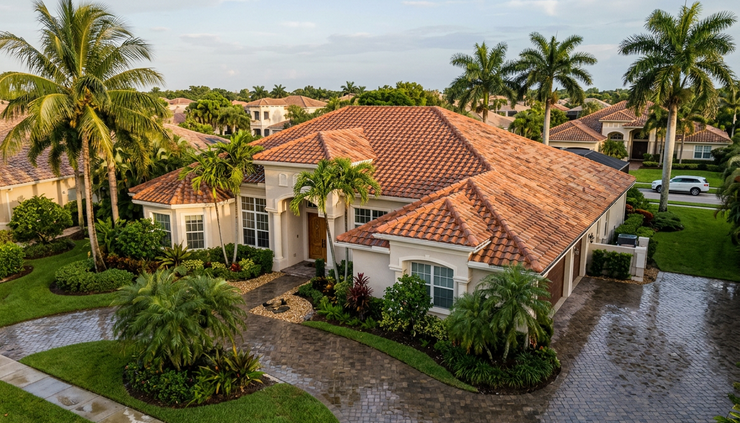
Three generations of roofing experience bring real value
Roofing knowledge builds over time. A company with three generations in the trade has likely seen tile roofs at every stage of life, from brand-new installations to older roofs with hidden wear beneath the surface.
That background helps during repair work because many tile roof problems are not obvious at first glance. A leak over a ceiling stain may not start directly above the stain. Water can travel along underlayment, flashing, battens, or roof penetrations before it shows up indoors. Experience helps a roofer read those signs and trace the issue back to its source.
Anthony Conti Roofing’s three-generation history also means customers are working with a business shaped by long-term relationships. Family-owned companies often depend on reputation more than volume. The work done today affects tomorrow’s referral, review, and repeat call.
That can make a difference in practical ways:
Clear communication
Homeowners need to understand what is damaged, what can be repaired, and what may need closer attention.
Careful workmanship
Tile is durable, but it can crack under foot traffic or poor handling. Skilled roofers know how to move across it and make repairs without creating new damage.
Honest repair guidance
Not every roof issue requires a full replacement. A trained roofer can explain when a targeted repair is reasonable and when a larger concern needs to be addressed.
Respect for the home
Tile roof repair often involves matching visible roof materials. Details matter because the repair should protect the home and blend with the roof as much as possible.
In communities like Wellington, where many homes feature tile roofing, local experience is especially useful. Roofers who regularly work in the area understand common roof profiles, neighborhood styles, weather exposure, and the repair issues that tend to appear over time.
Tile roof types Anthony Conti Roofing specializes in
Tile roofs are popular in South Florida because they offer durability, style, and strong resistance to harsh sun. They also give homes a distinct look, whether the roof has a Mediterranean, Spanish, or modern profile.
Anthony Conti Roofing works with the major tile roof types commonly found in Wellington and nearby areas.
Clay tile roofs
Clay tile is known for its classic look and long service life. Many homeowners choose clay because of its rich color, natural texture, and strong curb appeal. It performs well in hot climates, but individual tiles can still crack from impact, age, improper walking, or storm debris.
Clay tile repair calls for careful material handling. The tiles can be brittle, especially on older roofs. A professional repair team knows how to remove damaged pieces, protect surrounding tiles, and source a compatible replacement when possible.
Concrete tile roofs
Concrete tile is common across Florida because it is strong, versatile, and available in many colors and profiles. It can imitate the look of clay, slate, or shake while offering dependable performance.
Concrete tile can suffer surface wear over time. It may crack, shift, or lose protective coating in areas exposed to constant sun and rain. Repairs may involve replacing broken tiles, resecuring loose pieces, sealing vulnerable areas, or checking the underlayment beneath affected sections.
Barrel and Spanish tile roofs
Barrel tile, often called Spanish tile, has a rounded shape that creates the familiar wave pattern seen on many South Florida homes. This style sheds water well when installed and maintained correctly, but the curved profile requires skill during repairs.
A loose or broken barrel tile can open a path for wind-driven rain. Matching the shape and layout is important, since a poor fit can affect water flow and appearance.
Flat and low-profile tile roofs
Flat tile and low-profile tile roofs appear on many newer Florida homes. They create a cleaner, more modern look. While the surface may look simpler than barrel tile, repairs still require attention to layout, fastening, and water channels.
A professional roofer checks not only the damaged tile but also the components beneath and around it. That includes flashings, valleys, vents, and roof edges.

Common tile roof repair issues in Wellington homes
Tile roofing is built to last, but Florida weather creates steady wear. In Wellington, the combination of heat, humidity, rain, and storm activity can reveal weak points in even a well-built roof.
Here are the repair issues homeowners often face.
Cracked or broken tiles
Broken tiles are among the most visible roof problems. They can happen when branches fall, storm debris hits the roof, or someone walks across the tiles incorrectly. Even a hairline crack can allow moisture to reach the underlayment.
A proper repair starts with identifying all damaged tiles, not just the obvious ones. The roofer should also check whether the underlayment below the cracked tile has been exposed or weakened.
Slipped or loose tiles
Tiles can shift when fasteners loosen, adhesive fails, or wind lifts vulnerable sections. A slipped tile may leave a gap that allows water to enter. On some roofs, loose tiles can also become a safety concern during storms.
Repairing this issue means more than sliding the tile back into place. The fastening method must be checked so the tile stays secure.
Worn or damaged underlayment
Tile is the roof’s first line of defense, but the underlayment does much of the waterproofing work. Over time, underlayment can age, crack, or lose effectiveness. If water gets below the tile layer, the underlayment determines whether the home stays dry.
A professional inspection can help determine whether the issue is limited to a small area or points to broader roof aging.
Flashing leaks
Flashing protects roof transitions, chimneys, skylights, vents, walls, and valleys. When flashing rusts, separates, or was installed poorly, water can enter around these vulnerable points.
Flashing repairs should be handled carefully because sealant alone is rarely a lasting fix. A roofer needs to check the metal, surrounding tiles, fasteners, and underlayment.
Ridge and hip cap damage
Ridge and hip caps sit along the roof’s high points and angled edges. These areas can take a beating from wind and sun. Cracked mortar, loose caps, or failed sealing can lead to leaks and tile movement.
Repairs may include replacing damaged caps, resealing joints, and restoring the weather barrier at these key points.
Leaks after storms
After heavy rain or strong wind, small roof issues can become active leaks. Water stains, ceiling discoloration, musty smells, or damp attic insulation can all point to roof trouble.
A storm-related leak deserves prompt attention. Waiting can allow moisture to spread into wood framing, drywall, insulation, or interior finishes.
A good tile roof repair does more than replace what is broken. It protects the layers beneath the tile so the roof system can keep doing its job.

Why professional maintenance protects a tile roof
Tile roofs are strong, but they are not maintenance-free. Professional maintenance helps find small problems before they become expensive repairs.
Many homeowners only think about the roof after a leak appears. By that point, water may have already reached the underlayment, decking, or interior of the home. A routine inspection can catch cracked tiles, loose caps, clogged valleys, exposed fasteners, and worn sealant early.
Professional maintenance is especially valuable for tile roofs because walking on tile incorrectly can cause damage. A trained roofer knows where to step, how to distribute weight, and how to inspect fragile areas without breaking tiles.
A maintenance visit may include:
Checking for cracked, missing, loose, or displaced tiles
Looking closely at valleys, ridges, hips, and roof edges
Inspecting flashing around vents, skylights, chimneys, and wall connections
Evaluating visible underlayment concerns where tiles are missing or lifted
Clearing debris that can trap water or block water flow
Looking for signs of water intrusion in accessible areas
Recommending repairs based on condition, not fear
Maintenance also helps preserve the appearance of the roof. Tile is a major part of a home’s exterior. When damaged sections are handled quickly and matched carefully, the roof keeps its clean, finished look.
For homeowners preparing to sell, professional roof maintenance can also help reduce surprises during inspection. A documented repair or inspection history may give future buyers more confidence in the home’s condition.
Customer testimonials point to trust and follow-through
For any roofing company, customer testimony carries weight because roofing work requires trust. Homeowners need to feel confident that the company will show up, explain the problem, protect the property, and stand behind the repair.
Anthony Conti Roofing’s reputation is supported by customer feedback that often centers on the qualities people value most in a roofing contractor:
Prompt response when a roof problem needs attention
Clear explanations without pressure
Professional crews who respect the home
Careful repair work that addresses the cause of the issue
A sense that the company treats customers like neighbors, not account numbers
The best testimonials are not only about the roof looking better after the job. They are about peace of mind. A homeowner wants to know the leak was traced correctly, the broken tiles were handled with care, and the roof is ready for the next stretch of Florida weather.
Family-owned roofing companies often earn loyalty through this kind of consistency. When customers mention honesty, reliability, and craftsmanship, they are describing the everyday details that make a repair experience feel different.

The benefits of choosing a family-owned roofing company
A family-owned roofing business brings a personal stake to every job. The name on the truck is tied to the work on the roof. That creates a level of care that can be felt during the entire repair process, from the first call to the final cleanup.
Anthony Conti Roofing’s three generations in the roofing industry suggest more than longevity. It reflects knowledge passed down through hands-on work, changing materials, evolving building practices, and years of serving homeowners through different roof conditions.
Choosing a family-owned company can offer several benefits.
Direct accountability
With a family business, reputation is personal. Customers are not dealing with a distant operation where responsibility gets passed from one person to another. There is often a clearer chain of communication and ownership.
Local knowledge
Tile roofs in Wellington face specific conditions. Sun exposure, tropical rain, high humidity, nearby trees, and storm seasons all affect how roofs age. A roofer who understands the area can make better repair recommendations.
Craft experience
Tile roof repair takes patience. Matching tile profiles, removing damaged pieces, checking underlayment, and restoring roof details all require skill. Generational experience helps crews know what to look for and how to avoid shortcuts.
Relationship-based service
Many homeowners prefer working with a company that aims to earn long-term trust. A roof may need maintenance, future repairs, or inspection after a major storm. A reliable family-owned roofer can become a trusted contact over the life of the home.
What to expect from a professional tile roof repair
A trustworthy repair process should be clear and practical. While every roof is different, homeowners can expect a professional roofer to follow a careful sequence.
The process often starts with a roof inspection. The roofer looks for visible damage and checks nearby areas that may have contributed to the problem. If there is an active leak, the inspection may also include interior or attic signs when accessible.
Next comes an explanation of findings. This should include what is damaged, why it matters, and what repair approach makes sense. Photos can help homeowners understand the issue without needing to climb onto the roof.
The repair itself may involve replacing broken tiles, securing loose tiles, repairing flashing, addressing ridge or hip caps, or protecting exposed underlayment. A good roofer also checks the surrounding area instead of treating one broken tile as an isolated problem.
After the work is complete, cleanup and a final review matter. Tile pieces, fasteners, and debris should be removed from the property. The homeowner should know what was repaired and whether any future maintenance is suggested.
A trusted choice for tile roof repair in Wellington
Tile roofing is one of the most attractive and durable roofing choices for South Florida homes, but it performs best when repairs are handled by professionals who understand the whole roof system. Cracked tiles, loose caps, flashing leaks, and worn underlayment all require more than a quick patch.
Anthony Conti Roofing offers tile roof repair in Wellington, FL backed by three generations of roofing experience. The company’s family-owned approach, knowledge of tile roof systems, and focus on customer trust make it a strong choice for homeowners who want repairs done carefully and honestly.
A roof protects everything beneath it. When a tile roof shows signs of damage, the right next step is simple: have it inspected by a qualified roofing team before a small issue becomes a larger one.


Comments