
Essential Roof Repair Tips for Lake Worth FL Homeowners with Insights from Anthony Conti Roofing
A roof in Lake Worth doesn’t get an easy life. It deals with blazing sun, salty air, heavy afternoon rain, tropical storms, high humidity, and the occasional palm frond that lands exactly where it shouldn’t. Small roof problems can turn into ceiling stains, damaged decking, or mold concerns faster than many people expect here.
The good news is that most expensive roofing headaches start with small warning signs. If you know what to look for, choose materials that fit South Florida’s climate, and bring in the right local help when needed, your roof can stay stronger for longer.

Why Lake Worth roofs need extra attention
Lake Worth sits close enough to the coast that roofing materials face more than normal wear. Salt in the air can speed up corrosion on exposed metal. Humidity encourages algae, mildew, and trapped moisture. Sudden downpours test flashing, gutters, valleys, and roof penetrations.
Then there’s storm season. Even when a storm doesn’t cause obvious damage, wind-driven rain can push water into weak spots. A lifted tile, cracked seal, or loosened flashing may not seem urgent on a sunny day, but the next hard rain can expose the problem.
Homes in nearby Lantana and Atlantis deal with many of the same conditions. That’s why roof care around this part of Palm Beach County should be more proactive than reactive. Waiting until water drips through the ceiling usually means the damage has already spread beyond the roof surface.
Common roofing problems in Lake Worth and what to do about them
Most roof issues in this area fall into a few familiar categories. Some are easy to spot from the ground. Others need a trained eye.
Common issue | What it may look like | Practical next step |
Cracked or slipped tiles | Uneven tile lines, visible gaps, broken corners | Schedule an inspection before rain reaches the underlayment |
Worn flashing | Rust, gaps, loose metal near vents, chimneys, or walls | Have flashing repaired or sealed by a roofing professional |
Clogged gutters | Overflowing water, staining on fascia, pooling near the home | Clean gutters and check that downspouts move water away |
Algae and mildew growth | Dark streaks or green patches | Use safe cleaning methods made for the roof type |
Soft spots or sagging | Dips in the roofline or spongy decking | Stop walking on the area and get it checked right away |
Interior water stains | Brown marks on ceilings or walls | Trace the source quickly, since the leak may be higher up than the stain |
Tile damage is common but shouldn’t be ignored
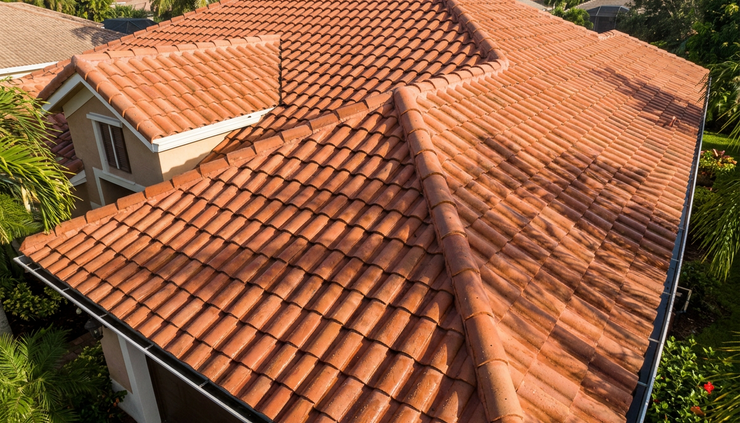
Tile roofs are popular in South Florida for good reason. They handle heat well, look great, and can last a long time when properly installed and maintained. But tiles can crack from impact, foot traffic, aging, or shifting.
The tile itself is only part of the system. Underneath it is the underlayment, which helps keep water out. A cracked tile may not leak immediately, but it exposes the lower layers to sun and moisture. Over time, that can weaken the roof system.
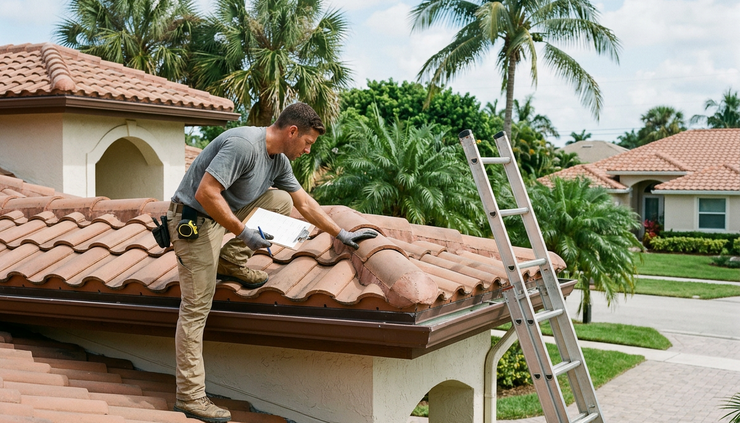
If you see broken tiles, don’t try to walk across the roof unless you know how to do it safely. Tiles break easily under weight, and a fall is never worth it. Take photos from the ground if possible, then call a local pro.
Flashing problems cause sneaky leaks
Flashing protects areas where the roof changes direction or meets another surface. Think walls, vents, skylights, chimneys, valleys, and roof edges. These areas take a lot of punishment during wind-driven rain.
A common mistake is assuming the leak sits directly above the stain inside the house. Water often travels along rafters or underlayment before showing up indoors. That’s why flashing issues can be hard to diagnose without experience.
A reliable roofing contractor will check the full path of water, not just the obvious spot.

Know when a repair can wait and when it can’t
Not every roofing issue is an emergency, but some deserve fast attention. In Lake Worth, timing matters because weather can change quickly. A calm morning can turn into a heavy rainstorm by late afternoon.
Call for help soon if you notice:
Water dripping indoors
A ceiling stain that’s growing
Missing, cracked, or sliding tiles
Loose flashing or exposed underlayment
A sagging roof section
Storm debris that hit the roof
Moldy smells near the attic or ceiling
Keep an eye on less urgent issues like:
Light algae staining
Small amounts of leaf buildup
Minor gutter debris
Faded roof color
General wear on older tiles
Even with less urgent issues, don’t ignore them for months. Roof problems rarely improve on their own. A small repair now can help avoid a larger roof repair later, especially before hurricane season.
Choose materials that match the coastal climate
The right roofing material for Lake Worth should handle heat, moisture, salt air, and storm conditions. Looks matter too, but performance should come first.
Tile works well when the system underneath is sound
Tile is a strong choice for many South Florida homes. It resists heat, suits the local architecture, and performs well when installed correctly. The key is what’s underneath. A beautiful tile roof can still leak if the underlayment, flashing, fasteners, or drainage details are failing.
If your roof is older, ask a contractor about the condition of the underlayment. Replacing a few tiles may solve visible damage, but it won’t fix a worn-out waterproof layer.
Metal components need corrosion resistance
Even if your main roof is tile, it may still include metal flashing, vents, fasteners, edging, or straps. Near the coast, these parts should be suitable for humid, salty air. Corrosion can create gaps that let water in.
When repairs are made, ask what type of materials will be used for exposed components. The goal is simple: don’t patch a coastal roof with parts that can’t stand up to coastal conditions.
Flat and low-slope areas need good drainage
Many homes have a small flat or low-slope section over a porch, addition, garage, or patio. These areas can be more vulnerable because water doesn’t run off as quickly.
Ponding water, bubbling, cracking, or soft spots on low-slope roofing should be checked early. If water sits after rain, the drainage design may need attention.
What Anthony Conti Roofing recommends looking at first
Local experience matters because Lake Worth roofs fail in patterns that out-of-area contractors may miss. Anthony Conti Roofing has worked with South Florida roofing conditions long enough to know that the most obvious damage isn’t always the only concern.
A smart inspection should include:
The visible roof covering
Underlayment condition where it can be assessed
Flashing around walls, vents, and roof penetrations
Valleys where water collects and moves
Gutters and drainage paths
Fascia and soffit areas
Attic signs, including stains, damp insulation, or poor ventilation
The biggest takeaway from local roofing pros is simple: don’t just cover the symptom. Find the water path. That’s what separates a quick patch from a repair that actually holds up.
Hire local professionals who understand Lake Worth roofs
Roofing is one of those jobs where local knowledge really counts. A contractor who works regularly in Lake Worth, Lantana, Atlantis, and nearby coastal communities will understand local weather patterns, permitting expectations, and common roof designs.
Before hiring, ask direct questions. A good contractor won’t mind.
Ask about licensing and insurance
Make sure the contractor is properly licensed for roofing work in Florida and carries appropriate insurance. This protects the home and the people working on it.
Ask what they’ll inspect
A quick glance from the driveway isn’t enough. The inspection should cover the roof surface, flashing, penetrations, drainage, and signs of moisture.
Ask for clear repair details
The estimate should explain what will be fixed, what materials will be used, and whether there may be hidden damage once the work begins.
Ask about storm experience
Lake Worth homes need repairs that can stand up to wind and rain. Local storm repair experience is a real plus.
Ask about cleanup
Roof work can leave broken tile pieces, nails, sealant tubes, and debris. Cleanup should be part of the job, not an afterthought.
Don’t choose based only on the lowest price. A cheap repair that fails during the next storm can cost much more than doing it right the first time.
Keep your roof healthier between repairs
Regular maintenance is the quiet hero of roof care. It isn’t exciting, but it works.
A simple seasonal routine can make a big difference:
Check the roof from the ground after major storms
Keep gutters clear before heavy rain periods
Trim branches away from the roof
Remove leaves from valleys when safe to do so
Look for ceiling stains after wind-driven rain
Watch for cracked, sliding, or missing tiles
Schedule a professional inspection before hurricane season
Be careful with pressure washing. It can damage tiles, force water under roofing materials, or strip protective surfaces if done incorrectly. Soft, roof-appropriate cleaning methods are usually safer.
Also, avoid walking on tile roofs. Even experienced workers move carefully on tile. One wrong step can crack a tile or create a weak spot that wasn’t there before.
A quick storm-season roof checklist
Before storm season gets busy, take a slow walk around the property and look up. You don’t need to climb anything to catch many warning signs.
Use this checklist:
Look for broken or shifted tiles
Check for tree limbs touching the roof
Make sure gutters aren’t packed with leaves
Confirm downspouts drain away from the foundation
Look at soffits and fascia for stains or rot
Check attic areas for musty smells or damp spots
Review any older repairs that may need follow-up
After a storm, repeat the same walkaround. If you see debris on the roof, don’t pull or move anything from the ground if it’s tangled or heavy. It may be covering damage, or it may shift suddenly.
For help with inspections, tile repair, storm damage concerns, or maintenance planning, visit Anthony Conti Roofing and connect with a local team that understands Lake Worth roofing conditions.
Frequently asked questions
How often should a Lake Worth roof be inspected?
A yearly inspection is a good baseline, with an extra check after major storms. Older roofs or roofs with past leaks may need more frequent attention.
Are cracked roof tiles always an emergency?
Not always, but they shouldn’t be ignored. A cracked tile can expose the underlayment to sun and rain, which may lead to bigger problems over time.
Can I clean algae off my roof myself?
Light staining may look harmless, but the wrong cleaning method can damage roofing materials. It’s safer to use roof-approved cleaning methods or hire someone experienced with tile roofs.
What’s the most common source of roof leaks?
Flashing and roof penetrations are common trouble spots. Valleys, vents, walls, and skylight areas should be checked carefully when tracking a leak.
Should I repair or replace my roof?
That depends on the roof’s age, the condition of the underlayment, the amount of damage, and whether leaks keep coming back. A local inspection can help separate a simple fix from a larger roofing issue.

The best roof repairs start before the leak gets worse
Lake Worth roofs work hard. Sun, salt air, humidity, and storms all add stress, especially on tile, flashing, gutters, and low-slope areas. The best approach is to catch small issues early, use materials made for coastal conditions, and hire local professionals who know what South Florida weather can do.
If something looks off, don’t wait for the next downpour to test it. A careful inspection today can save a lot of stress when the weather turns.


Comments