
Free Roof Estimates in Palm Beach Gardens What Homeowners Should Know About Anthony Conti Roofing
A roof estimate can feel simple until the numbers arrive. One contractor talks about shingles. Another mentions underlayment, flashing, decking, permits, ventilation, and storm damage. A third gives a quick total with very little detail. For a Palm Beach Gardens homeowner, knowing what should be included in an estimate can make the difference between a smooth roofing project and an expensive surprise.
Palm Beach Gardens roofs deal with heat, heavy rain, humidity, salt air, strong sun, and the realities of Florida storm season. That means a roof estimate should do more than name a price. It should explain the condition of the roof, the work being recommended, the materials involved, and what happens next.
This guide explains what to expect from a roofing estimate, how to compare proposals, and what to ask before hiring a contractor for repair or replacement work.
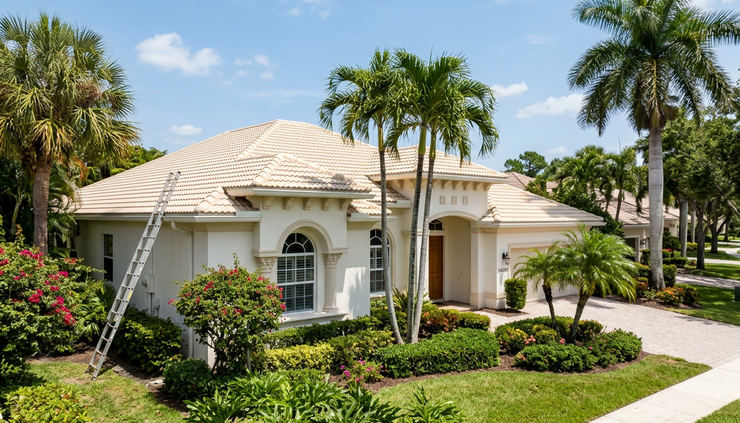
A free estimate should still be detailed
A no-cost estimate does not mean a quick guess. A useful roofing estimate should show that the contractor looked at the roof as a system, not just as a surface covering.
At a basic level, the estimate should identify the main problem. That might be cracked tiles, missing shingles, worn flashing, ponding water, damaged fascia, soft decking, loose ridge vents, or signs of leaks inside the attic. The proposal should also explain whether the issue appears limited or whether it points to a larger roof problem.
A proper estimate often includes:
The roof area being inspected
The visible damage or wear found
The recommended repair or replacement scope
The materials proposed
Labor and installation details
Permit expectations when applicable
Cleanup and disposal
Warranty information
Payment terms and project timing
The more specific the estimate, the easier it is to compare. A vague line such as “repair roof leak” leaves too much room for misunderstanding. A better estimate explains which roof section needs work, what will be removed, what will be replaced, and what the contractor will do if hidden damage appears.
For homeowners gathering Free Roof Estimates, the goal is not only to collect prices. The goal is to understand what each contractor sees and how they plan to solve it.
Palm Beach Gardens roofs face specific local conditions
Roofing in Palm Beach Gardens is not the same as roofing in a dry inland climate. South Florida weather creates several stresses that matter during an estimate.
Heavy rain is one of the biggest concerns. Even a small flashing problem can lead to ceiling stains, mold risks, damaged insulation, or wood rot if water keeps finding its way in. A roofing contractor should look closely at valleys, roof penetrations, skylights, vents, chimneys, and wall connections because many leaks start in those areas.
Sun exposure also matters. Florida heat can age roofing materials faster, especially asphalt shingles. The roof surface expands and contracts, sealants dry out, and coatings can wear down. On tile roofs, the tiles may look good from the ground while the underlayment beneath them is nearing the end of its useful life.
Wind is another key factor. Palm Beach County roofing work must meet applicable building code requirements, and estimates may need to account for wind-rated materials, fastening methods, and proper permitting. Homeowners should be careful with bids that seem unusually low if they do not mention code-related work.
Humidity and salt air can affect metal components as well. Fasteners, flashing, drip edge, vents, and other exposed parts should be assessed, especially on older roofs or homes close to waterways.
What homeowners should know about the estimate visit
A roof estimate usually starts with a conversation. The contractor may ask when the roof was installed, whether there have been past repairs, where leaks have appeared, and whether there are insurance concerns. Good information at this stage helps the estimator focus on the right areas.
The inspection may include looking from the ground, accessing the roof when safe, checking attic conditions, and inspecting interior signs of water intrusion. Not every roof can be walked safely. Tile roofs, steep slopes, wet surfaces, and fragile areas may require caution. A careful contractor should avoid causing damage during the inspection.
Before the visit, it helps to gather:
Any records from past roof work
Warranty documents if available
Photos of leaks or storm damage
Insurance claim paperwork if relevant
Notes about when the problem first appeared
Access to attic areas if water intrusion is suspected
During the visit, homeowners should pay attention to how the contractor explains the findings. Clear communication matters. The estimator should be able to point out the problem, explain the repair path, and discuss options without pressuring for an immediate decision.
A same-day number can be helpful, but a written estimate is what matters. Roofing work involves materials, labor, safety, and code details. The final proposal should be clear enough that both sides understand the scope before work begins.
How to compare roofing estimates without focusing only on price
Price matters, but the lowest bid is not always the best value. Two estimates may look like they cover the same job while leaving out very different things.
One proposal may include underlayment replacement, flashing work, permit handling, debris removal, and cleanup. Another may only include the visible roof surface. If hidden wood damage appears, the cheaper proposal could become more expensive later.
Use this comparison as a starting point:
What to compare | Why it matters |
Scope of work | Shows exactly what the contractor plans to repair or replace |
Materials | Helps compare quality, durability, and manufacturer requirements |
Underlayment | Critical in Florida, especially under tile roofing |
Flashing details | A common source of leaks if skipped or reused poorly |
Permits | Required for many roof projects and tied to code compliance |
Warranties | Clarifies what is covered by the contractor and manufacturer |
Cleanup | Prevents leftover nails, debris, and disposal issues |
Change orders | Explains how unexpected damage will be priced |
A strong estimate should make exclusions clear as well. For example, it may state that replacement of rotted decking is priced separately because the damage cannot be confirmed until materials are removed. That kind of detail protects both the homeowner and the contractor.
Be cautious if an estimate is missing basic items or relies heavily on verbal promises. Roofing projects are too important for handshake-only details.
Questions to ask before approving roof work
The best time to ask questions is before signing. A reputable roofing contractor should welcome practical questions and answer them in plain language.
Good questions include:
Are you licensed and insured for roofing work in Florida?
Will this project need a permit?
Who handles the permit process?
What materials are included in this estimate?
Will old materials be removed or covered?
How will you protect landscaping, gutters, driveways, and outdoor areas?
What happens if damaged decking is found?
Who supervises the job?
How long should the work take once it starts?
What warranties apply to labor and materials?
What payment schedule do you require?
Ask for proof of insurance and licensing before work begins. This is a normal part of hiring a contractor, not a sign of distrust. Roofing brings real safety risks, and proper coverage matters.
If storm damage is involved, homeowners should also ask how inspection findings will be documented. Photos, written notes, and clear descriptions can help keep records organized. A roofing contractor should not promise insurance approval, since that decision belongs to the insurer, but they can document roof conditions accurately.

Repair or replacement depends on more than one leak
A single leak does not always mean the entire roof needs replacement. At the same time, a visible leak may be a sign of a larger issue. The right recommendation depends on the roof age, material, installation quality, prior repairs, storm exposure, and the condition of the underlying system.
Repairs may make sense when damage is isolated. Examples include a small flashing failure, a few broken tiles, limited shingle damage, or one roof penetration that needs resealing and proper flashing.
Replacement may make more sense when the roof has widespread wear, repeated leaks, failing underlayment, extensive storm damage, or age-related deterioration. On tile roofs, the tiles themselves may last a long time, but the waterproofing layer beneath them can wear out sooner. That is why a roof can look attractive from the street while still needing serious work.
A trustworthy estimate should explain the reasoning. If the recommendation is repair, it should say why the repair is likely to hold. If the recommendation is replacement, it should explain why patching would only delay the problem.
What sets a good roofing contractor apart
A good roofing contractor does more than climb a ladder and quote a price. The contractor should bring judgment, communication, and follow-through.
When evaluating any company, including Anthony Conti Roofing, homeowners should look for signs of professionalism before, during, and after the estimate.
Those signs include:
Clear appointment scheduling
Respect for the property
A careful inspection process
Written documentation
Straight answers about materials and permits
No pressure to sign immediately
Clear warranty terms
A realistic project timeline
Willingness to explain repair options
Reviews and referrals can help, but they should not replace basic verification. Check current license status, insurance, and written contract terms. Also look at how the company responds to questions. A contractor who communicates clearly during the estimate is more likely to communicate well during the project.
Red flags to watch for during the estimate process
Roofing problems can feel urgent, especially when water is coming inside. That urgency can make it easier to overlook warning signs. Slow down enough to protect yourself.
Be careful if a contractor:
Refuses to provide a written estimate
Will not show proof of licensing or insurance
Pressures you to sign the same day
Offers a price that seems far below other bids with little explanation
Asks for an unusually large upfront payment
Avoids questions about permits
Uses vague material descriptions
Promises insurance outcomes
Does not explain warranty limits
A professional estimate should reduce uncertainty. If the conversation creates more confusion, keep asking questions or get another opinion.
Preparing for the next step after an estimate
Once you receive an estimate, read it closely. Compare it with other proposals line by line. Look for differences in materials, scope, warranties, and permit handling. If something is unclear, ask for a revised written estimate before approving the work.
Before signing, make sure the contract includes the agreed scope, price, payment schedule, approximate timing, warranty information, and change order process. Roofing work often reveals hidden conditions after old materials come off, so the change order process should be clear from the start.
For Palm Beach Gardens homeowners, a roof is not just another home improvement project. It protects the structure from rain, heat, wind, and humidity every day. A good estimate gives you more than a number. It gives you a clear plan, a better understanding of your roof, and confidence about the work ahead.
The smartest next step is simple: gather detailed estimates, ask direct questions, and choose the contractor who explains the roof as carefully as they price it.


Comments