
Tile Roofs for West Palm Beach Golf Courses Durable Beauty and Expert Roofing Tips
A golf course roof does more than keep rain off the clubhouse. In West Palm Beach, it has to look right from the first tee, handle hot sun all year, stand up to tropical downpours, and keep facilities running when members, guests, and event crews are counting on them.
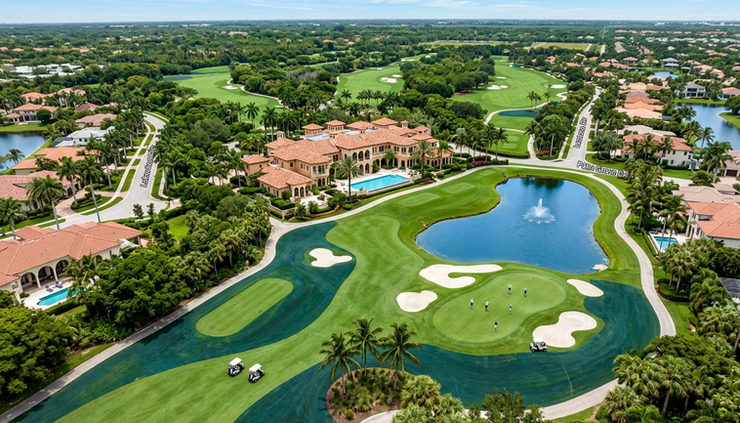
That’s why tile roofing fits golf course properties so well. It brings the classic South Florida look people expect around fairways, palms, patios, cart paths, pro shops, pool areas, and polo-adjacent club communities. It also gives facility managers a roof system built for long service when it’s installed and maintained the right way.

Why tile roofing works so well for golf course facilities
Golf course buildings take a beating in ways a regular home may not. There’s constant sun exposure, salt-heavy air moving inland from the coast, afternoon storms, irrigation overspray, golf carts moving near rooflines, and heavy foot traffic around club facilities.
Tile roofing handles that environment well because it brings together three things golf properties care about: long life, curb appeal, and weather resistance.
Clay and concrete tile systems are known for lasting many years when the underlayment, flashing, fasteners, ventilation, and drainage details are done correctly. The tiles themselves are only one part of the system. The real performance comes from how everything works together.
For a golf course, that matters because roofing problems don’t stay hidden. A leak over a dining room, locker room, cart barn, or pro shop can interrupt daily operations fast. A tired roof over a clubhouse can also drag down the look of the whole property, even if the course is in great shape.
Tile gives golf facilities a polished, permanent look without feeling too formal. It works with Mediterranean, coastal, Spanish, and modern Florida architecture. It also pairs well with stucco, stone, wood accents, covered patios, and wide overhangs.
For members and guests, the roof becomes part of the experience. They may not talk about it directly, but they notice when the clubhouse, halfway house, restrooms, shelters, and maintenance buildings feel cared for.
The biggest benefits for West Palm Beach golf courses
Tile looks right in South Florida
West Palm Beach has a distinct visual style. Palm trees, bright light, tropical landscaping, and low-slung club buildings all call for roofing that feels rooted in the area.
Tile roofing delivers that. Depending on the profile and color blend, it can look warm and traditional or clean and modern. Barrel profiles give a classic resort feel. Flat profiles can feel quieter and more contemporary. Earth tones, sand colors, soft grays, and weathered blends all work well around fairways and lakes.
For golf properties that host weddings, luncheons, tournaments, charity events, and polo-related gatherings, appearance matters. A good roof supports photography, guest impressions, and the overall property feel.
Tile stands up to heat and sun
South Florida sun is relentless. Roofing materials expand, contract, fade, dry out, and age under heat and UV exposure. Tile performs well in this climate because it’s dense, stable, and naturally suited to hot weather.
A properly designed tile system also allows air movement beneath portions of the roof covering, which can help reduce heat transfer into the building. Facility managers still need good attic ventilation and insulation, but tile can be part of a smarter comfort plan.
That matters in clubhouses and pro shops where cooling costs and indoor comfort are constant concerns.
Tile handles heavy rain when the system is built right
West Palm Beach storms can dump a lot of water in a short time. A roof needs to move that water quickly and cleanly.
Tile sheds water effectively, but the details matter. Valleys, flashings, gutters, downspouts, roof penetrations, and underlayment all need careful attention. On large golf course buildings with multiple roof sections, even one weak transition can become a leak point.
A good roofing team will look beyond the surface tiles. They’ll check slope, drainage paths, underlayment condition, penetrations, wall tie-ins, and nearby tree coverage.
Tile supports a high-value property image
Golf course managers know the grounds sell the experience. The same is true for facilities. When a club invests in a quality tile roof, it sends a quiet signal that the property is being cared for.
That message reaches more than golfers. It also matters to homeowners near the course, guests attending events, board members, dining patrons, visiting polo families, and vendors who see the facility every week.

Where tile roofing adds value across a golf property
The clubhouse gets most of the attention, but golf courses often have several structures that need careful roofing decisions.
Common areas where tile can make sense include:
Main clubhouse roofs
Pro shops and bag drop buildings
Covered dining patios and outdoor bars
Locker room buildings
Cart storage and staging areas
Starter buildings and halfway houses
Restroom buildings on the course
Guardhouses and entry features
Maintenance offices or visible support buildings
Not every structure needs the same tile profile or material. A high-visibility clubhouse may call for a premium appearance, while support structures may need a more practical match that still looks consistent from the course.
The best results come when all buildings feel connected. That doesn’t always mean identical. It means the color family, roof shape, ridge details, and trim choices work together.
How expert installation protects the investment
Tile roofing can last a long time, but only when the installation is done with care. Poor work can turn a strong material into an expensive headache.
Here’s what experienced roofing crews pay close attention to on golf course facilities.
Underlayment and flashing do the quiet work
Tiles shed most of the water, but underlayment is the backup layer that protects the structure. In storm-prone areas, this layer matters a lot.
Flashing also deserves careful attention. Areas around chimneys, walls, vents, skylights, parapets, and valleys need precise work. On large clubhouses with complex rooflines, flashing details often decide whether the system performs well through repeated storm seasons.
Fasteners need to match local conditions
Coastal and near-coastal Florida conditions can be hard on metal components. Fasteners, clips, and other attachment methods should suit the environment and meet applicable local code requirements.
Golf course roofs also have wide open exposure. Wind can move across fairways and lakes with fewer obstructions, so attachment details should never be treated casually.
Walk paths should be planned before maintenance begins
Golf course buildings need regular service. HVAC technicians, gutter crews, pest control providers, and roof inspectors may all need access. Tile can crack when people walk on it improperly.
A smart roofing plan accounts for service access. That may include designated walking routes, careful placement of equipment, and clear guidance for vendors.
Anthony Conti Roofing brings local experience to club-style properties
West Palm Beach golf courses need roofers who understand more than shingles and tiles. They need a team that respects member experience, event schedules, parking limits, cart paths, landscaping, and the need to keep facilities open whenever possible.
Anthony Conti Roofing has experience with South Florida tile roofing needs, including properties where appearance and timing matter as much as long-term protection. On club-style projects, the goal is usually simple: protect the building, preserve the property’s look, and reduce disruption for staff and guests.
Successful golf facility projects often share a few traits:
Work areas stay clean and clearly marked.
Crews protect landscaping, patios, walkways, and entry areas.
Scheduling avoids major events when possible.
Roof access is planned so daily operations can continue.
The finished roof matches the property’s style instead of looking patched together.
Customer feedback on this kind of work usually centers on trust. Facility teams want communication, neat job sites, and crews who understand that a golf course isn’t a typical construction site.
Common comments from property managers and club representatives include appreciation for:
Prompt updates when weather changes the schedule
Care around landscaping and guest areas
Clean work zones near entrances and patios
Help choosing tile colors that fit the property
Follow-up after completion to address small details
Those details may sound simple, but on an active golf property, they make a real difference.

How golf course managers can maintain tile roofs
Tile roofing doesn’t need constant attention, but it does need a steady maintenance rhythm. Small issues are easier to fix before storm season than after water finds its way inside.
Schedule roof inspections at the right times
A good routine is to inspect before the peak of rainy season and again after major storms. The check should include the tiles, underlayment condition where visible, flashings, valleys, gutters, downspouts, vents, and roof penetrations.
After high winds, look for slipped tiles, cracked pieces, blocked valleys, or debris from nearby trees.
Keep trees trimmed back from rooflines
Palm fronds and branches can scrape tiles, deposit debris, and clog drainage areas. Trees also give animals easier roof access.
Trimming should preserve the course’s look while keeping roof surfaces clear. Aim for airflow and clearance, especially near valleys and gutters.
Clean gutters and drainage paths often
Golf courses have heavy landscaping, which means leaves, seed pods, palm debris, and roof runoff can collect quickly. Clogged gutters can push water where it doesn’t belong.
Flat areas, low-slope transitions, and roof valleys deserve extra attention. Water should leave the roof quickly during storms.
Limit foot traffic on tile
Most tile damage comes from impact or improper walking. Make sure vendors know where they can step and how to access equipment.
If the same areas need frequent service, ask a roofing professional about safer access points or walk path planning.
Fix cracked or displaced tiles quickly
One cracked tile may not seem urgent, but repeated rain can expose the layers below. Over time, that can shorten the life of the system.
Keep spare matching tiles on-site when possible. That makes repairs easier and helps maintain a consistent appearance.
Watch interior warning signs
Facility staff should report ceiling stains, musty smells, peeling paint, or damp drywall right away. Leaks don’t always show up directly below the roof opening, so early reporting helps narrow down the source.
Choosing the right tile material and style
There’s no single best choice for every golf property. The right roofing material depends on the building structure, budget, appearance goals, exposure, and maintenance plan.
Choice factor | What to think about |
Tile profile | Barrel styles feel classic, while flatter profiles create a cleaner look. |
Color | Lighter tones can feel cooler and coastal, while warmer tones give a traditional club feel. |
Weight | Tile is heavy, so the roof structure must be evaluated before installation or replacement. |
Slope | Tile systems need proper slope and drainage design to perform well. |
Finish | Some finishes show dirt, algae, or fading more than others. |
Availability | Matching tiles for future repairs should be part of the planning conversation. |
Golf course managers should also think about how the roof looks from different angles. Members see the roof from patios, cart paths, parking areas, higher homes nearby, and sometimes from across water features.
A sample that looks good in the parking lot may look different under full sun beside the ninth green. View samples outdoors before deciding.
Planning a roof project around golf operations
Roof work on a golf course takes planning. The best time isn’t only about the weather. It’s also about tee sheets, tournaments, member events, dining reservations, and seasonal traffic.
Before work starts, facility managers should create a basic plan with the roofing team.
Helpful planning points include:
Identify busy entrances, patios, and cart paths.
Share tournament and event dates early.
Set work hours that respect members and neighbors.
Plan material staging away from guest areas.
Protect irrigation heads, turf edges, and landscaping.
Communicate temporary access changes to staff.
Noise, parking, and cleanup matter more on a club property than on many job sites. A neat site keeps the property looking open and cared for, even while work is underway.
FAQ
How long does tile roofing last in West Palm Beach?
Tile roofing can last for many years when installed correctly and maintained well. The tiles may remain strong for a long time, but underlayment, flashing, and fasteners still need inspection and eventual service.
Is tile roofing a good choice for buildings near golf course lakes?
Yes, it can be. Buildings near lakes may face extra moisture, wind exposure, and debris. Good drainage, proper flashing, and routine inspections help the system perform well.
Can cracked roof tiles cause leaks right away?
Sometimes they can, but not always. Even if a crack doesn’t leak immediately, it can expose the roof system to water over time. It’s best to repair or replace damaged tiles promptly.
What color tile works best for a West Palm Beach golf clubhouse?
Many properties choose warm earth tones, light coastal shades, soft grays, or blended colors. The best choice depends on the building style, exterior paint, landscaping, and how the roof looks in full sun.
Should a golf course replace all roof tiles at once?
Not always. Some roofs only need repairs, while others need full replacement because of age, underlayment condition, storm damage, or repeated leaks. A professional inspection can help separate cosmetic issues from system problems.
A strong roof supports the whole club experience
A beautiful golf course deserves facilities that feel just as well cared for. Tile roofing helps create that feeling while giving West Palm Beach properties serious protection against sun, rain, wind, and daily wear.
For clubhouses, pro shops, patios, cart facilities, and course buildings, the right roof is both practical and visual. Choose materials that fit the climate. Keep up with inspections. Plan repairs before the busy season. Work with a roofing team that understands active club properties and respects the guest experience.
For local community updates that matter to Wellington, West Palm Beach, golf, and polo area residents, follow the Village of Wellington community page.
A well-built roof won’t be the loudest feature on the property, and that’s the point. It quietly protects the building, frames the view, and helps every visit feel polished from the parking lot to the final green.


Comments