
Anthony Conti Roofing in West Palm Beach Expert Roof Repairs and Maintenance Tips
A small roof leak in West Palm Beach can turn into ceiling stains, mold concerns, damaged decking, and higher repair costs. Heat, salt air, heavy rain, and hurricane-season winds all work against a roof every year.
Anthony Conti Roofing serves local homeowners with repairs, maintenance, inspections, and roof replacement support built around South Florida conditions. The right crew matters here. A roof that performs well in a dry inland climate may fail fast near the coast.

What Anthony Conti Roofing does for West Palm Beach homes
Anthony Conti Roofing focuses on practical roof services for homeowners who need clear answers and dependable work. That starts with finding the source of the problem, not just covering the symptom.
Common services include:
Roof inspections
A proper inspection checks the roof surface, flashing, vents, valleys, gutters, fascia, and attic signs when accessible. This helps find hidden damage before it spreads.
Leak detection and repair
Leaks often start far from the ceiling stain. Water can travel along rafters, underlayment, or wall cavities. A careful repair tracks the path and fixes the true entry point.
Tile roof service
Tile roofs are common in West Palm Beach. Repairs may include replacing cracked tiles, securing loose pieces, addressing underlayment failure, and correcting drainage issues.
Shingle roof service
Wind, sun, and age can lift, curl, or loosen shingles. Repairs may include replacing damaged sections, sealing vulnerable areas, and checking nearby flashing.
Flat and low-slope roof repairs
Many homes have flat sections over patios, additions, or garages. These areas need special attention because standing water can speed up wear.
Storm damage assessment
After strong wind or heavy rain, a roof may have lifted materials, broken tiles, punctures, or loosened flashing. A post-storm inspection helps document visible damage and plan repairs.
Maintenance programs
Routine maintenance helps homeowners stay ahead of small problems. This is especially useful before and after hurricane season.
Roof replacement guidance
When repairs no longer make sense, a clear replacement plan helps homeowners understand timing, materials, and the condition of the roof deck.
Good roofing work does not begin with guesswork. It begins with inspection, photos, clear findings, and a direct repair plan.
Why local roof experts matter in West Palm Beach
Roofing in West Palm Beach is not the same as roofing in a cooler or drier region. Local experience matters because the risks are specific.
South Florida roofs deal with:
Strong sun and high UV exposure
Heavy afternoon rain
Tropical storms and hurricane conditions
High humidity
Salt air near the coast
Wind-driven rain
Fast-growing algae and debris buildup
A local crew understands how these conditions affect tile, shingles, flashing, underlayment, sealants, vents, and gutters. That knowledge saves time. It also reduces the chance of repeat leaks.
Local roofers also understand how water behaves during South Florida storms. Rain does not always fall straight down here. Wind can push water under loose tiles, behind flashing, and into small openings around vents or wall transitions.
The best repair is not the one that looks good for a week. It is the one that holds up through the next hard rain.
Hiring local also helps with timing. When a storm passes through the area, homeowners need fast inspections and honest advice. A nearby team can respond faster than a crew unfamiliar with the area.
There is another benefit. Local roofers see patterns. If many homes in the same neighborhood have similar tile breakage, flashing issues, or drainage problems, they know where to look first.

Common roofing issues in West Palm Beach and how they are fixed
Roof problems are easier to manage when they are caught early. Here are the issues West Palm Beach homeowners face most often.
Cracked or slipped roof tiles
Concrete and clay tiles last a long time, but they can crack from impact, foot traffic, age, or storm debris. A cracked tile does not always create an immediate leak, but it exposes the layers below.
The fix starts with removing damaged tiles without breaking nearby tiles. The roofer checks the underlayment below. If the underlayment is sound, the tile can be replaced. If water has reached deeper layers, the repair may need to include underlayment work and decking assessment.
Worn underlayment
On tile roofs, the tile is only part of the system. The underlayment below it is critical. Over time, heat and moisture wear it down. When underlayment fails, leaks can appear even if most tiles look fine.
Anthony Conti Roofing checks for signs such as recurring leaks, brittle underlayment, stained decking, loose tiles, and water tracks. Small sections may be repairable. Widespread underlayment failure may call for a larger project.
Flashing leaks
Flashing protects areas where the roof meets walls, chimneys, vents, skylights, or other transitions. Many leaks start here.
Repairs may include resealing, replacing damaged flashing, correcting poor installation, and making sure water flows away from the joint. Flashing repairs need clean workmanship. A thick layer of sealant is not a lasting fix when the metal or surrounding surface has failed.
Wind-lifted shingles or tiles
Storm winds can lift shingles, loosen fasteners, shift ridge pieces, or move tiles. This creates openings where wind-driven rain can enter.
A proper inspection looks for visible and subtle signs. Lifted materials may settle back down after a storm, but the seal can be broken. Repairs may include replacing loose sections, securing vulnerable areas, and checking nearby edges.
Ponding water on flat roof areas
Flat and low-slope areas are common on South Florida homes. These sections need drainage. If water sits too long, it can weaken the roofing surface and find small openings.
Fixes may include clearing drains, correcting low spots when possible, repairing seams, and replacing damaged areas. In some cases, the long-term answer is better slope or improved drainage.
Clogged gutters and roof valleys
Leaves, palm fronds, seed pods, and storm debris can block water flow. When valleys or gutters clog, water can back up under roofing materials.
The fix is simple when caught early. Clear the debris, flush the drainage path, and inspect for damage. If water has backed up repeatedly, the roof edge, fascia, and underlayment may need attention.
Algae and moisture staining
Dark streaks or stains do not always mean the roof is failing. But they can trap moisture and hide deeper issues. Cleaning must be done carefully. Harsh methods can damage roof surfaces.
A roofing inspection can confirm whether staining is cosmetic or tied to drainage, shade, or material wear.

Repair examples that show the value of a careful inspection
Specific homes and customer details should stay private. Even so, common West Palm Beach repair situations show how expert roofing work prevents bigger problems.
A ceiling stain that started with failed flashing
A homeowner noticed a brown ceiling stain near an exterior wall after heavy rain. The visible roof tiles looked intact. That made the leak hard to understand.
The inspection found worn flashing where a roof section met a wall. Wind-driven rain had entered through a small gap, then followed framing before showing up inside.
The repair included removing nearby materials, correcting the flashing, sealing the transition, and checking surrounding underlayment. The key lesson was simple. The stain was not directly below the leak.
Broken tiles after a storm
After a strong storm, another homeowner found several broken tiles near the front slope. The roof was not leaking yet, but the exposed area created risk.
The damaged tiles were removed and replaced. The underlayment below was checked for punctures. Loose nearby tiles were secured. Fast action helped prevent water from reaching the deck during the next rain.
Recurring leak on a flat patio roof
A low-slope patio roof leaked after long rain events. Previous patching had helped for a short time, then the leak returned.
The inspection found ponding water and worn seams. The repair addressed the damaged section and improved water movement. This stopped the cycle of temporary surface patches.
What customers tend to value most
Homeowners usually care about four things during a roofing project:
A clear explanation of the problem
Photos or visible proof when possible
A repair plan that makes sense
Clean work that protects the home
The best feedback often comes after the next storm. When the room stays dry, the repair did its job.
Maintenance tips that help extend roof life
Roof maintenance does not need to be complicated. It needs to be consistent.
Check the roof after major weather
After strong wind or heavy rain, walk around the home from the ground. Look for broken tiles, lifted shingles, loose ridge pieces, fallen branches, or debris in valleys.
Do not climb onto the roof unless it is safe and appropriate. Tile roofs can break under foot traffic, and wet surfaces are dangerous.
Keep trees trimmed back
Branches can scrape roofing materials and drop debris into valleys and gutters. Keep limbs away from the roof where possible. This also reduces impact damage during storms.
Clear gutters and downspouts
Water needs a clean path off the roof. Blocked gutters can cause fascia damage, roof edge problems, and foundation drainage issues.
Clean them before rainy season and again after heavy debris falls.
Watch attic and ceiling signs
Inside the home, look for:
Ceiling stains
Damp insulation
Musty odors
Peeling paint near upper walls
Light coming through roof openings
Drips during wind-driven rain
Small interior signs often point to a roof issue that needs attention.
Schedule routine inspections
A yearly inspection is a smart habit in West Palm Beach. It is also wise to schedule one before hurricane season or after severe weather.
Professional inspections can find cracked sealant, loose flashing, tile movement, soft decking, and early moisture damage.
Avoid pressure damage
Aggressive cleaning can damage roof surfaces. If the roof needs cleaning, use a method suited to the material and condition. When in doubt, ask a roofing professional before cleaning.
Fix small issues fast
One cracked tile or loose flashing section may not feel urgent. In South Florida weather, small openings can grow fast. Quick roof repair helps protect the decking, insulation, drywall, and personal property inside the home.
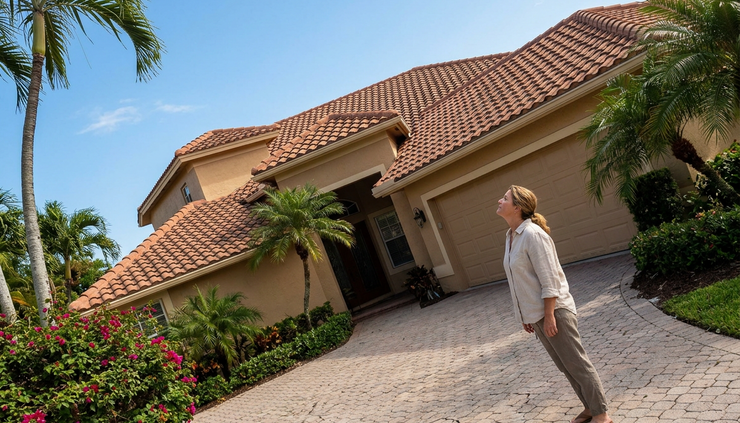
When to call Anthony Conti Roofing
Call a local roofer when there is active leaking, visible storm damage, broken tiles, lifted shingles, sagging areas, or stains inside the home. Also call when the roof has not been inspected in a long time.
Anthony Conti Roofing can help identify the problem, explain repair options, and handle maintenance before small damage spreads. Local knowledge matters in West Palm Beach, where sun, salt air, rain, and wind test every roof.
For inspections, leak help, and planned maintenance, schedule service with Anthony Conti Roofing.
FAQ
How often should a West Palm Beach roof be inspected?
Once a year is a good baseline. Add an inspection after major storms, visible damage, or any sign of leaking inside the home.
What are the most common signs of a roof leak?
Ceiling stains, musty smells, damp attic insulation, peeling paint, and drips during rain are common signs. Water may enter far from where the stain appears.
Can cracked roof tiles be repaired without replacing the whole roof?
Yes, many cracked tiles can be replaced individually. The underlayment below them must be checked to make sure water has not reached deeper layers.
Is a small leak urgent?
Yes. Small leaks can damage decking, insulation, drywall, and electrical areas. Fast service usually costs less than waiting.
What should be checked before hurricane season?
Check tiles or shingles, flashing, gutters, valleys, vents, skylights, and any flat roof areas. Clear debris and schedule repairs before storms arrive.
A strong roof starts with steady care
West Palm Beach roofs face tough conditions. The best plan is simple. Inspect regularly, clear debris, fix damage early, and work with a local roofing team that understands the area.
A well-maintained roof protects the home through heat, rain, and storm season. It also gives homeowners fewer surprises when the weather turns.


Comments