
Top Roof Leak Repair Companies in Wellington FL Anthony Conti Roofing and More
A roof leak in Wellington rarely starts as a dramatic waterfall through the ceiling. More often, it begins as a faint stain near an air vent, a musty smell after a hard afternoon storm, or a puddle that appears only when wind pushes rain sideways.
That matters in Palm Beach County. Wellington homes face heavy rain, strong sun, tropical weather, and year-round humidity. Tile roofs, shingle roofs, flat roof sections, skylights, chimneys, vents, and patio tie-ins all create places where water can find a path inside.
This guide highlights Anthony Conti Roofing as a local option for roof leak repair, then walks through three other types of local roofing companies worth comparing. It also includes practical tips for spotting leaks early, asking better questions, and knowing when to call a licensed professional.
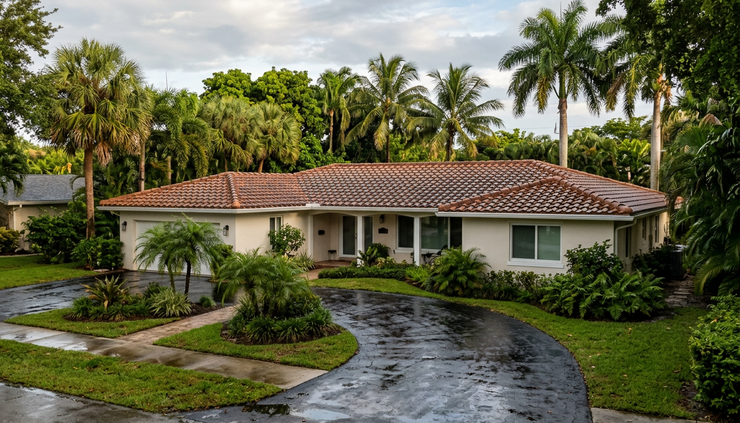
Why roof leaks are tricky in Wellington
Water does not always enter directly above the visible damage. A leak can start around a cracked roof tile, travel along underlayment or wood framing, then show up ten feet away on drywall. Wind-driven rain can also push water under roof edges, around wall connections, and into areas that stay dry during lighter showers.
Common local leak points include:
Broken or slipped roof tiles
Aged roof underlayment
Loose flashing around vents, skylights, and chimneys
Clogged valleys where roof planes meet
Cracked sealant at roof penetrations
Flat roof sections with ponding water
Patio, garage, or stable roof tie-ins
For golf community homes, leaks often show up around architectural roof lines, dormers, and decorative features. On horse properties, barns, tack rooms, and covered walkways may have metal, shingle, or low-slope roof sections that fail in different ways than the main home.
The key is simple: the visible stain is only evidence. A proper repair starts with finding the entry point.
Anthony Conti Roofing is a strong local option for roof leak repair
ANTHONY CONTI ROOFING is a practical first call for Wellington homeowners who want a local roofing contractor familiar with South Florida roof systems. For leak work, the most valuable skill is diagnosis. Patching the nearest visible crack may stop water for one storm, but it will not help if the real leak starts higher up the roof.
Services to ask about include:
Roof leak inspection
Tile roof leak repair
Shingle roof leak repair
Flat and low-slope roof repair
Flashing repair
Storm damage assessment
Emergency dry-in or temporary leak protection
Roof maintenance before rainy season
A good leak inspection should include the roof surface, attic space when accessible, ceiling stains, roof penetrations, gutters, valleys, and wall-to-roof connections. In Wellington, that often means checking for both storm-related damage and age-related wear.
Customer reviews are especially useful for leak repair because they show patterns. One five-star review is nice, but repeated comments about punctuality, clear explanations, cleanup, and successful repairs after heavy rain carry more weight. When reading reviews for any roofer, look for details such as:
Did the crew explain where the leak came from?
Did the repair hold up after later storms?
Was the estimate clear?
Did the contractor take photos before and after the work?
Did the company respond if the leak returned?
For homeowners who want to fix roof leaks before interior damage spreads, the best time to schedule an inspection is soon after the first sign of trouble, not after the next major storm.

Three other local roofing company options to compare
The brief here is local, but it also asks not to name other brands or products. Rather than list unverified company names or phone numbers, the smarter approach is to compare three types of local roofing companies that serve Wellington, Lake Worth, Lantana, and nearby Palm Beach County communities.
Phone numbers and office locations change. Before contacting any contractor, confirm the company’s current contact details through its official website, state license record, or local permit records.
Local option to compare | Best fit | What to ask for | Contact information to verify |
Licensed tile roof repair company | Concrete or clay tile homes, common in Wellington neighborhoods | Ask whether the repair includes checking the underlayment below the tile | Official website contact form, current state roofing license record, local business listing |
Flat and low-slope roof repair company | Patio roofs, additions, garages, guest houses, barn areas, and covered walkways | Ask how the contractor handles ponding water and drainage issues | Main office phone listed on its official site, license record, proof of insurance |
Storm response roofing company | Sudden leaks after high wind, tropical rain, or flying debris | Ask whether they provide temporary dry-in service and photo documentation | Emergency contact line on official site, license record, written estimate before work starts |
A tile roof repair company can help with hidden underlayment problems
Tile roofs are common in Wellington because they handle heat well and suit many Florida home styles. The tile itself sheds water, but the layer beneath the tile provides much of the waterproofing. That means a tile can look mostly fine while the material below it has aged, cracked, or separated.
A tile-focused repair company should know how to remove and reset tiles without causing extra breakage. It should also check valleys, sidewalls, and flashing where leaks often begin.
Best contact approach: use the company’s official website or licensing record, then ask for a site visit rather than a price over the phone. Tile leaks usually need eyes on the roof.
A flat roof repair company is useful for patios, additions, and barns
Many Wellington properties include covered patios, garage additions, guest areas, or equestrian structures with lower-slope roof sections. These roofs do not drain the same way steep tile roofs do. Small drainage issues can become recurring leaks.
A flat roof specialist should inspect seams, edges, drains, scuppers, and transitions to the main roof. If water sits after rain, the contractor should explain whether the issue is a surface repair, a drainage problem, or a larger design concern.
Best contact approach: ask for photos of the problem area and a written explanation of the repair method. A clear contractor will not rely on vague phrases like “seal it up” without explaining the likely leak path.
A storm response roofing company can reduce damage fast
After tropical weather, roofers get busy quickly. A company that handles storm response can help protect the home while permanent repairs are scheduled. Temporary dry-in service, when done correctly, can limit ceiling, insulation, and attic damage.
This option is especially useful if water is actively entering the house or if a barn, tack room, or feed storage area needs protection.
Best contact approach: call the verified emergency number listed by the company. Ask whether the person coming out is licensed, insured, and able to provide photos for your records.
How to identify a roof leak before it spreads
Roof leaks often leave clues before major damage appears. The earlier those clues are noticed, the easier the repair may be.
Look for these signs inside the home:
Brown or yellow ceiling stains
Bubbling paint or soft drywall
A musty smell in one room
Damp insulation in the attic
Water marks around vents or recessed lights
Drips during wind-driven rain
Stains that grow after each storm
Look for these signs outside:
Cracked, loose, or missing tiles
Lifted shingles
Debris collected in roof valleys
Rust or gaps around flashing
Clogged gutters
Dark streaks below roof edges
Standing water on flat sections
A simple homeowner check after heavy rain can help. Walk the interior, look at ceilings near exterior walls, then check the attic if it is safe and accessible. Outside, inspect from the ground with binoculars. Avoid walking on the roof. Tile can crack under foot traffic, and wet surfaces are dangerous.

When to call a professional roofer
Some home maintenance tasks are safe for a quick DIY check. Roof leak repair usually is not one of them. The risk is not only falling or breaking tiles. The bigger issue is misdiagnosis.
Call a licensed roofing professional when:
Water is dripping inside the home
A stain grows after each rain
The leak appears near electrical fixtures
You see cracked or missing roof materials
The roof is tile, steep, or slippery
The same leak has been patched before
You are preparing for storm season
You need documentation for insurance or a real estate transaction
Florida also has licensing rules for roofing work. For most roof repairs, homeowners should use a properly licensed and insured roofing contractor. The Florida Department of Business and Professional Regulation provides license information, and local building departments can explain when a permit may be required.
A professional inspection should end with more than a verbal guess. Ask for:
Photos of the suspected leak source
A written scope of work
Material and labor details
Warranty information, if offered
Timeline for the repair
Proof of license and insurance
Questions to ask before hiring a roof leak repair company
The best leak repair experience often starts with better questions. Use this short list before approving work:
Where do you believe the leak is starting?
The contractor should be able to explain the likely entry point.
Did you inspect the attic or underside of the roof deck?
Interior evidence can confirm whether the roof diagnosis makes sense.
Will you provide photos before and after the repair?
Photos create a useful record, especially after storm damage.
Is this a repair or a sign of a larger roof issue?
A small leak can be isolated, but repeated leaks may point to aging roof materials.
What happens if the same leak returns?
Get the answer in writing before the work begins.
Are you licensed and insured for roofing work in Florida?
Do not skip this step, even for a small repair.

A simple maintenance plan for Wellington roofs
South Florida roof maintenance is not complicated, but it helps to be consistent. A twice-a-year check, once before the heaviest rainy months and once after storm season, can catch small issues early.
Focus on:
Clearing leaves and debris from valleys and gutters
Checking ceilings after hard rain
Trimming branches away from the roof
Looking for cracked tiles from the ground
Watching flat roof areas for standing water
Scheduling an inspection after major wind events
For horse properties, add barns, wash racks, storage rooms, and covered walkways to the checklist. A leak over tack, feed, or electrical equipment can create a different kind of headache than a leak in a spare bedroom.
For golf course homes, pay attention to roof planes facing open areas. Strong wind and wind-driven rain can expose weaknesses around vents, ridges, and transitions.
FAQ
How fast should a roof leak be repaired in Wellington?
As soon as practical. Even a small leak can wet insulation, stain drywall, and create hidden wood damage if several storms pass before repair.
Can a roof leak be fixed from inside the attic?
Sometimes a roofer can trace the leak from inside, but the repair usually needs to happen on the exterior roof surface. Interior sealants rarely solve the real problem.
Should I call a roofer or my insurance company first?
If water is actively entering, call a roofer to stop further damage. For storm-related damage, document everything with photos and review your policy process before making permanent repairs.
Are tile roof leaks always caused by broken tiles?
No. Broken tiles are one possible cause, but underlayment, flashing, valleys, and roof penetrations can also fail. That is why diagnosis matters.
How do I know if I need repair or replacement?
A localized leak on a newer or well-maintained roof may only need repair. Repeated leaks, widespread wear, or aging materials may point to a larger roof problem. A licensed inspection can help separate the two.
The best next step for a leaking roof in Wellington
A roof leak is one of those home problems that rewards quick action. Start with what you can safely see from inside the home and from the ground. Take photos, note which storms make the leak worse, and avoid climbing onto the roof.
For a local inspection or repair estimate, contact Anthony Conti Roofing through the Anthony Conti Roofing website.
The right roofer should do more than patch a stain. They should find where the water enters, explain the repair clearly, and help protect the home before the next South Florida downpour.


Comments