
Effective Strategies to Prevent Roof Leaks in Your Home
A leaking roof can cause serious damage to your home, leading to costly repairs and discomfort. Preventing roof leaks requires regular care and attention to common problem areas. This guide shares practical steps you can take to protect your roof and keep your home dry.
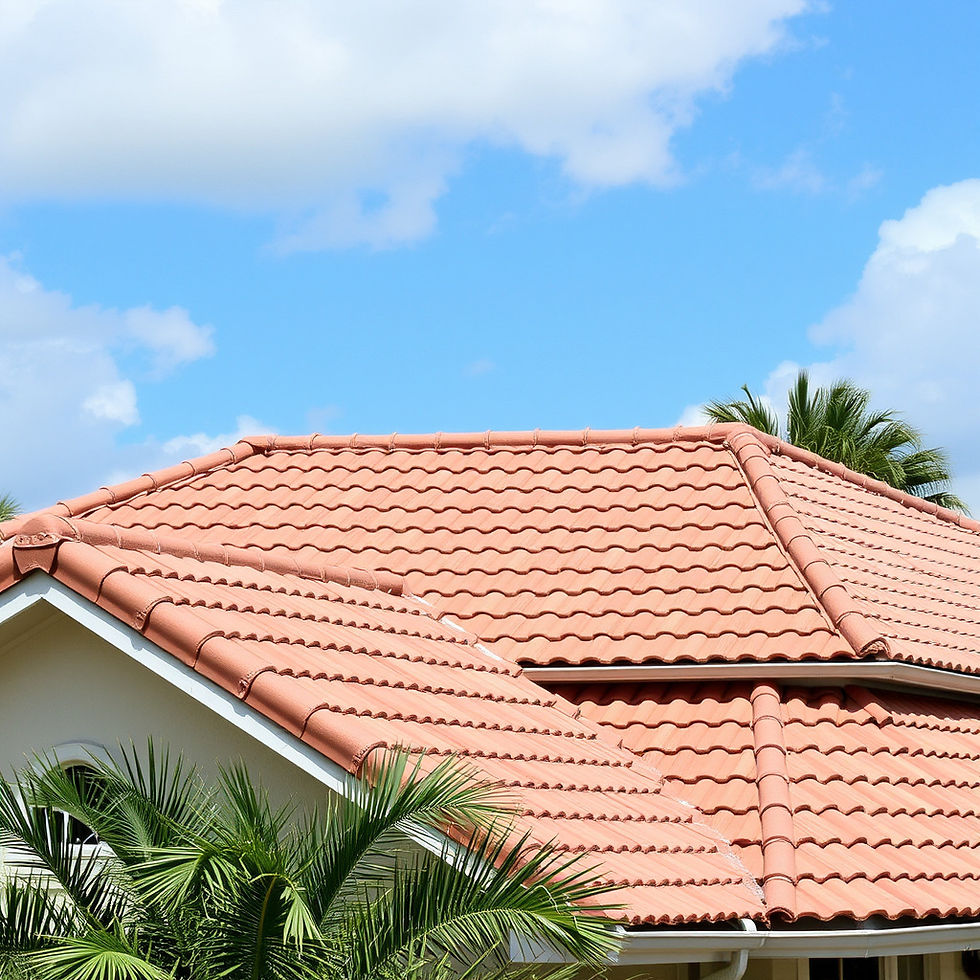
Inspect Your Roof Regularly
Routine inspections help catch small issues before they turn into leaks. Check your roof at least twice a year, ideally in spring and fall. Look for:
Missing, cracked, or curling shingles
Damaged flashing around chimneys, vents, and skylights
Signs of moss, algae, or debris buildup
Sagging or soft spots on the roof surface
Use binoculars for a safe, detailed view if climbing onto the roof is unsafe. Early detection of damage allows for timely repairs.
Keep Gutters and Downspouts Clear
Clogged gutters cause water to back up and seep under shingles. Clean gutters regularly, especially after storms or heavy leaf fall. Make sure downspouts direct water at least 3 to 4 feet away from your home's foundation.
Consider installing gutter guards to reduce debris buildup. Proper drainage prevents water pooling on the roof, which is a common cause of leaks.
Maintain Roof Flashing and Sealants
Flashing seals joints where the roof meets vertical surfaces or penetrations. Damaged or loose flashing creates gaps for water entry. Inspect flashing around chimneys, vents, skylights, and valleys.
Reapply roofing sealant or replace flashing if you notice cracks, rust, or separation. Use high-quality roofing cement designed for your roof type to ensure a watertight seal.

Trim Overhanging Tree Branches
Tree branches rubbing against shingles can cause damage and create entry points for water. Overhanging branches also drop leaves and debris onto the roof, increasing the risk of clogged gutters.
Trim branches at least 6 feet away from the roof edge. This reduces physical damage and helps keep your roof clean and dry.
Address Roof Ventilation and Insulation
Poor ventilation traps heat and moisture in the attic, which can damage roofing materials and cause leaks. Ensure your attic has proper ventilation through ridge vents, soffit vents, or gable vents.
Adequate insulation prevents ice dams in winter, which form when heat escapes through the roof and melts snow unevenly. Ice dams force water under shingles, leading to leaks. Proper insulation keeps your roof temperature stable.
Repair Damage Promptly
If you spot damage during inspections or after storms, act quickly. Small repairs like replacing a few shingles or resealing flashing can prevent larger leaks. Delaying repairs allows water to penetrate deeper, causing structural damage and mold growth.
Hire a professional roofer for complex repairs or if you are unsure about the work needed. A qualified expert can identify hidden problems and ensure repairs last.

Use Quality Roofing Materials
Investing in durable roofing materials reduces the chance of leaks. Choose shingles or tiles rated for your climate and weather conditions. Materials like metal roofing or architectural shingles offer better protection and longer life than basic asphalt shingles.
Quality underlayment beneath shingles adds an extra waterproof layer. Consider synthetic underlayment for improved durability and water resistance.


Comments