
Emergency Roofing Services: What You Should Know
When a roofing emergency strikes, it can feel overwhelming. I know how stressful it is to face sudden damage to your roof, especially when you’re unsure what to do next. Whether it’s a storm, fallen tree, or unexpected leak, emergency roofing services are essential to protect your home or commercial property. In this post, I will share what you need to know about emergency roofing assistance. I will explain how to act quickly, what to expect from professionals, and how to prevent further damage.
Understanding Emergency Roofing Services
Emergency roofing services are designed to provide immediate help when your roof is damaged. These services focus on quick repairs to stop leaks, secure loose shingles, or cover exposed areas. The goal is to prevent water damage, structural issues, and safety hazards until a full repair or replacement can be done.
In my experience, the key to effective emergency roofing is fast response. Waiting too long can lead to more damage inside your property. For example, a small leak can turn into mold growth or rot within days. Emergency roofing services often include:
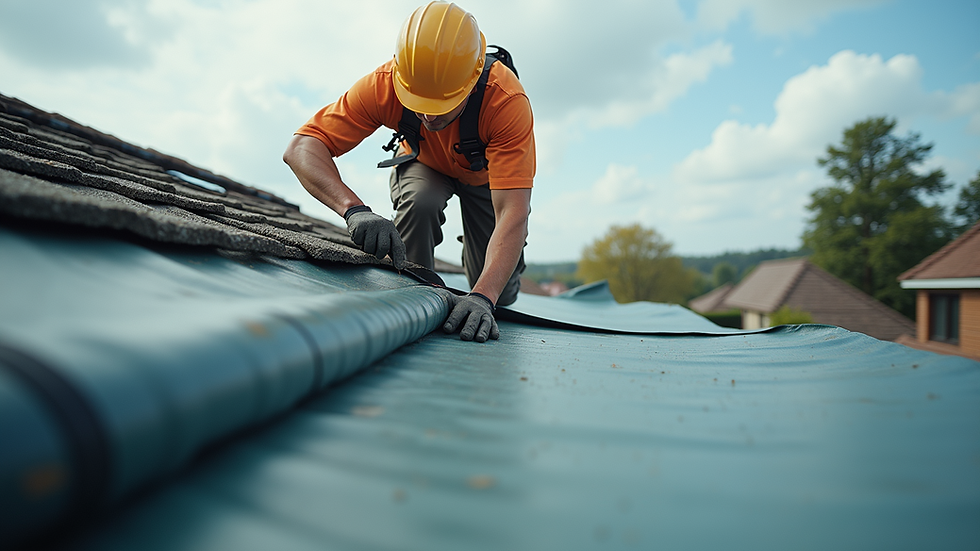
Temporary tarping or patching
Inspection and damage assessment
Immediate repairs to stop leaks
Advice on next steps for permanent fixes
If you live in areas like Port Saint Lucie, Wellington, or West Palm Beach, Florida, where storms are common, having access to reliable emergency roofing services is crucial.
How to Identify a Roofing Emergency
Not every roofing issue requires emergency services. It’s important to know when to call for help right away. Here are some signs that you need emergency roofing assistance:
Active leaks during rain: Water dripping inside your home is a clear sign.
Missing or loose shingles: These can blow off and cause more damage.
Visible holes or large cracks: These expose your roof to the elements.
Sagging roof areas: This could indicate structural damage.
Fallen tree branches or debris on the roof: These can cause immediate harm.
If you notice any of these signs, don’t wait. Contact emergency roofing services immediately to minimize damage. I always recommend taking photos of the damage for insurance claims and to help the roofing professionals understand the situation before they arrive.
What to Expect from Emergency Roofing Services
When you call for emergency roofing assistance, the company should respond quickly and professionally. Here’s what you can expect:
Rapid Response: Most emergency roofing companies offer 24/7 availability. They should arrive within hours, especially after storms.
Damage Assessment: The roofer will inspect your roof to identify all issues.
Temporary Repairs: They will apply tarps, patches, or other materials to stop leaks and secure the roof.
Clear Communication: You should receive a detailed explanation of the damage and the next steps.
Follow-Up Services: Emergency repairs are temporary. The company should help schedule permanent repairs or replacement.
I have found that companies who provide clear communication and quick action reduce stress and protect your property better. Always ask if the emergency service includes a written estimate for permanent repairs.

Tips for Handling a Roofing Emergency Safely
Safety is the top priority during any roofing emergency. Here are some practical tips I follow and recommend:
Stay indoors during storms: Don’t try to inspect or fix the roof while it’s raining or windy.
Avoid climbing on the roof: Damaged roofs can be unstable and dangerous.
Protect your belongings: Move furniture and valuables away from leaking areas.
Use buckets or containers: Catch water to prevent floor damage.
Turn off electricity if needed: Water near electrical outlets is a hazard.
Contact a professional immediately: Don’t attempt major repairs yourself.
By following these steps, you can keep your family and property safe until emergency roofing services arrive.
Preventing Future Roofing Emergencies
While emergencies can’t always be avoided, regular maintenance reduces the risk. Here are some tips to keep your roof in good shape:
Schedule annual roof inspections with a trusted roofing company.
Clean gutters and downspouts regularly to prevent water buildup.
Trim overhanging tree branches to avoid damage during storms.
Replace damaged or missing shingles promptly.
Check attic ventilation and insulation to prevent moisture buildup.
Taking these steps helps you avoid costly emergency repairs and extends the life of your roof. Remember, prevention is always better than emergency response.
If you want to learn more about protecting your property, check out this roof maintenance guide.
Emergency roofing services are a vital resource when disaster strikes. Knowing when to call, what to expect, and how to stay safe can make all the difference. I hope this guide helps you feel prepared and confident to handle any roofing emergency.
Stay safe and keep your roof secure!


Comments