
Roof Repair in Wellington FL Anthony Conti Roofing Reviews and Contractor Tips
A roof problem in Wellington rarely stays small for long. A lifted tile, a cracked vent boot, or a slow leak around flashing can turn into stained drywall, damaged insulation, and mold concerns after one hard South Florida rain.
That is why roof repair in Wellington, FL is not only about patching the visible spot. It is about finding the source, understanding local weather conditions, and hiring a contractor who knows how roofs behave in Palm Beach County.
This guide looks at roof repair services in the area, with a practical overview of Anthony Conti Roofing, what to look for in customer reviews, and how to compare contractors before anyone climbs onto your roof.
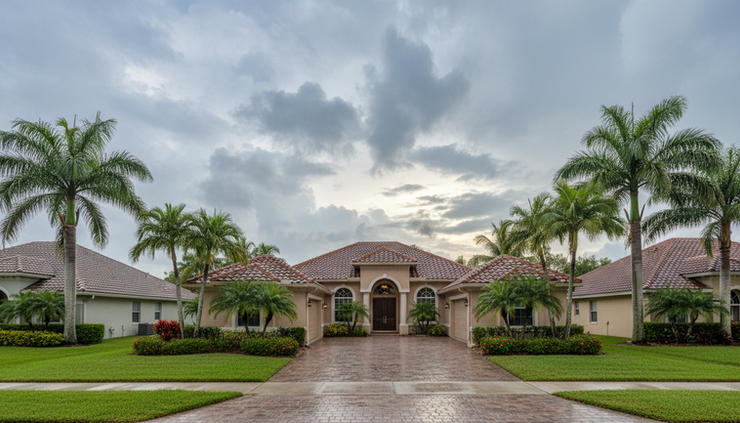
Why Wellington roofs need a local repair plan
Wellington has its own roofing challenges. The village is inland from the Atlantic, but it still gets intense sun, tropical rain, heavy humidity, and storm-season wind. Roofs also deal with sudden temperature changes when dark clouds roll in after a hot afternoon.
Those conditions affect common roofing materials in different ways.
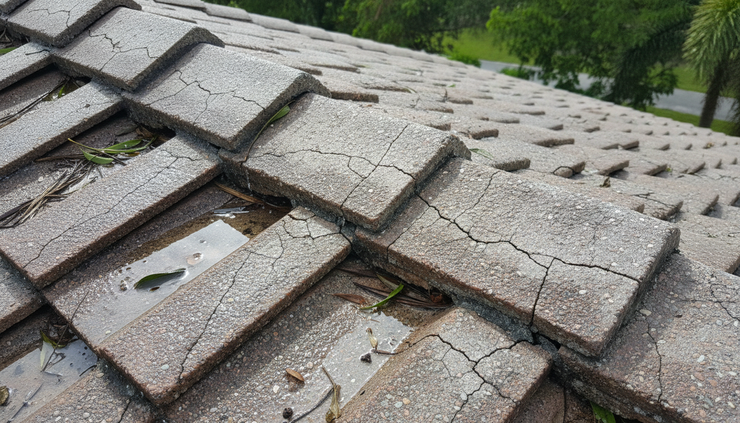
Clay and concrete tile roofs are popular across South Florida because they look good and hold up well in heat. Still, tiles can crack from impact, shift from wind, or allow water beneath them if underlayment fails. Asphalt shingles can lose granules, curl at the edges, or lift during strong gusts. Flat and low-slope roof sections, often found over patios, garages, and additions, need careful drainage because standing water can shorten roof life.
Wellington also has neighborhood features that matter:
Many HOA communities
Repairs may need to match existing tile color, style, or roof appearance guidelines.
Large homes with complex rooflines
Valleys, dormers, skylights, and multiple roof planes create more points where leaks can start.
Equestrian properties
Barns, detached structures, and covered walkways may need roof maintenance beyond the main house.
Tree-lined lots
Branches, seed pods, and leaves can clog gutters and valleys, holding moisture against the roof.
Storm-season urgency
After a named storm or heavy wind event, reputable roofers book quickly. Waiting too long can make water intrusion worse.
A local roofing contractor should understand all of this. A generic repair may stop a drip for a week. A good local repair addresses why the leak happened and how to prevent it from returning.
What Anthony Conti Roofing offers Wellington homeowners
Anthony Conti Roofing is a roofing contractor homeowners in the Wellington area may come across when comparing repair options. As with any contractor, details such as current service areas, license status, warranties, and availability should be verified directly before hiring. Still, the company is commonly associated with residential roofing work in South Florida, including repairs, replacements, inspections, and maintenance.
For roof repair needs, the most relevant services usually include leak detection, damaged material replacement, storm-related assessment, and roof system evaluation.
Roof leak detection and repair
A visible ceiling stain does not always sit directly under the roof problem. Water can travel along rafters, decking, electrical lines, or insulation before it shows up indoors.
A proper leak repair often includes:
Inspecting roof penetrations, such as vents, pipes, and skylights
Checking valleys where water flows heavily during storms
Looking under or around broken tiles
Evaluating flashing at walls, chimneys, and roof transitions
Reviewing attic signs, if accessible
Testing likely entry points when needed
For tile roofs, the repair may involve removing broken or displaced tiles, checking the underlayment, replacing damaged sections, and resetting tiles correctly. For shingle roofs, the work may include replacing missing shingles, sealing exposed fasteners, and repairing flashing.
The key is diagnosis. A quick surface seal can hide the problem without solving it.
Tile, shingle, and flat roof work
Wellington homes often feature tile roofs, but the area also has shingle and flat roofing systems. A contractor’s experience with more than one roof type matters because many homes have mixed roof sections.
A main house may have concrete tile, while a patio addition has a flat modified bitumen or membrane roof. A garage roof may age differently than the rest of the structure. Repairs need to respect each system rather than treating the entire property the same way.
Anthony Conti Roofing’s value for many homeowners will come down to how well the team explains the roof type, the failure point, and the proposed fix. The best roofing conversations are specific, not vague.
Instead of simply saying, “You need a repair,” a strong contractor explains:
What failed
Why it failed
What materials will be used
Whether nearby areas are at risk
How long the repair should take
What warranty applies to the work
Storm damage and post-weather inspections
After heavy wind or hail, roof damage can be obvious or subtle. Missing shingles are easy to spot. Lifted flashing, cracked tiles, and bruised shingles are harder to see from the ground.
A post-storm roof inspection can help identify areas that need attention before the next rain. In Wellington, that matters because storms often move through quickly, then repeat over several days.
A reliable contractor should document findings with photos, explain which items are urgent, and avoid pressuring homeowners into unnecessary replacement when a repair is enough.
The best roof repair is not always the largest job. It is the repair that solves the real problem and protects the home through the next storm.
How to read Anthony Conti Roofing reviews with a practical eye
Customer reviews can help when choosing a roofer, but they work best when read for patterns. One glowing review or one angry review does not tell the full story. Look for repeated themes across multiple platforms and recent comments.
When reviewing Anthony Conti Roofing customer feedback, focus on the details that matter most for roof repair.
Good signs in roofing reviews
Strong reviews often mention specific service qualities, such as:
The contractor arrived when promised
The leak source was explained clearly
Photos were provided before and after the repair
The estimate matched the final scope
Workers cleaned up broken tile, nails, or debris
Communication stayed steady during delays
The repair held up after later rain
Those details are more useful than broad comments like “great company” or “bad experience.” Specific reviews show how the contractor handled real roofing problems.
Warning signs to watch for
Negative reviews deserve attention, especially if several people mention the same issue. Look for patterns around:
Missed appointments without communication
Unclear estimates
Poor cleanup
Repairs that failed quickly
Difficulty getting warranty follow-up
Pressure to replace instead of repair
Lack of permit clarity when permits are needed
A single complaint may have context. Repeated complaints point to risk.
Ask about reviews during the estimate
It is fair to ask a roofer about the types of repairs they often perform in Wellington and whether they can share recent examples of similar work. Do not ask for private customer details. Instead, ask for general project examples, photos, or references if available.
A confident contractor should be comfortable explaining their process. That matters as much as the star rating.
What a reliable Wellington roofing contractor should bring to the job
Roofing is skilled work, but it is also risk management. A contractor is working on the part of the house that protects everything beneath it. Choosing carefully can prevent repeat leaks, insurance headaches, and avoidable damage.
Proper licensing and insurance
Before hiring any roofing contractor in Florida, verify licensing and insurance. A legitimate contractor should be able to provide license information and proof of coverage. Homeowners can also check license status through the appropriate Florida state resources.
Insurance matters because roofing work carries real safety risk. If a worker is injured or property is damaged, proper coverage protects both the contractor and homeowner.
Clear written estimates
A good estimate should be written in plain language. It should describe the repair area, the materials, labor, exclusions, warranty terms, and payment schedule.
Be cautious with a vague one-line price. Roof repair often involves hidden conditions, especially when water has traveled below tile or underlayment. A clear estimate should explain what is included and what might change if the crew finds deeper damage.
Knowledge of Florida Building Code and permits
Florida has strict roofing requirements because of wind and storm exposure. Some repairs may not need a permit, while larger repairs or replacements may. Rules can vary by scope and jurisdiction.
A reliable contractor should know when permits apply and should not ask a homeowner to ignore code requirements. If the repair is tied to insurance, proper documentation becomes even more important.
Photos and documentation
Roof problems can be hard to understand from the ground. Photos help bridge that gap.
Ask for:
Photos of the damaged area
Photos of exposed conditions if tiles or shingles are removed
Photos of completed repairs
Written notes on what was found
This documentation is useful for future maintenance, warranty questions, and insurance records.

Tips for finding the best roof repair options in Wellington
Comparing roofers is easier when the decision is based on process, not just price. The lowest quote may be right for a simple repair, but it can also miss hidden work. The highest quote is not always the best, either.
Use these steps to narrow the field.
Get at least two estimates when the situation allows
If water is actively pouring in, emergency service comes first. For non-emergency repairs, two or three estimates can reveal whether contractors agree on the source and scope.
Pay attention when one roofer recommends a small repair and another pushes a full replacement. Ask each to explain the reasoning. Sometimes replacement is the right call, especially with an old or failing roof. Other times, a targeted repair makes more sense.
Ask how the contractor handles tile matching
Many Wellington neighborhoods have tile roofs, and matching can be tricky. Tiles fade in the sun, styles get discontinued, and HOA rules may limit substitutions.
Ask:
Can matching tiles be sourced?
Will replacement tiles be visible from the street?
Is salvaging existing tile possible in the repair area?
Will the repair meet HOA appearance requirements?
This is especially useful in gated communities where roof appearance can be closely regulated.
Check communication before signing
The estimate process previews the job. If a contractor is hard to reach, unclear, or dismissive before getting paid, that may not improve later.
Good communication looks like:
Calls or messages returned in a reasonable time
Clear appointment windows
Written scope of work
Honest scheduling expectations
Direct answers about materials and warranty
Roofing schedules in South Florida can shift because of rain. That is normal. Silence is the problem, not weather delays.
Review warranty terms carefully
A roof repair warranty may cover workmanship, materials, or both. The length and terms can vary. Read the fine print before approving the work.
Ask what would happen if the same leak returns after the next heavy rain. Ask whether interior damage is excluded. Ask whether maintenance issues, clogged gutters, or unrelated roof failures affect coverage.
A contractor who explains warranty limits clearly is usually safer than one who makes broad promises.
Understand when repair is not enough
A repair is often the best answer when damage is isolated. Replacement may be the better path when the roof has widespread failure.
Common signs replacement may need discussion include:
Repeated leaks in different areas
Large sections of cracked or loose tile
Shingles with major granule loss
Sagging roof decking
Aging underlayment beneath tile
Extensive storm damage
Prior repairs that keep failing
A trustworthy contractor should explain both options without using fear as a sales tactic.
Local roofing issues Wellington homeowners should not ignore
Some roof problems seem minor until South Florida weather exposes them.
Clogged valleys and gutters
Tree debris can collect in valleys, gutters, and around roof penetrations. When water cannot move off the roof, it backs up under materials and finds weak spots.
Routine cleaning is especially helpful near large oaks, palms, and dense landscaping.
Cracked roof tiles from foot traffic
Tile roofs are durable, but individual tiles can crack when walked on incorrectly. This can happen during satellite work, exterior painting, gutter cleaning, or holiday light installation.
After anyone works on the roof, a quick inspection can catch damage early.
Algae and moisture staining
Dark streaks or stains do not always mean the roof is failing. South Florida humidity encourages algae growth. Still, heavy staining can hide cracked materials or drainage issues.
Avoid harsh pressure washing unless the roof material and manufacturer guidance allow it. The wrong cleaning method can damage tiles or shingles.
Flashing around roof transitions
Many leaks begin where two materials meet. Wall flashing, chimney flashing, skylight flashing, and vent flashing all need careful installation and maintenance.
These areas deserve close attention during any roof inspection.

How Anthony Conti Roofing compares in a contractor search
When Anthony Conti Roofing appears on a shortlist, compare the company the same way you would compare any local roofer. The name matters less than the fit for the specific repair.
A strong candidate should have experience with Wellington-style roofing systems, communicate clearly, provide a written scope, and explain whether the repair is urgent or can be scheduled. Customer reviews should show consistent satisfaction with punctuality, workmanship, cleanup, and follow-through.
The most useful question is not “Who is the cheapest?” It is “Who best understands the roof and can explain the repair in a way that makes sense?”
For many homeowners, the right contractor will offer a balanced recommendation. If the roof needs a small repair, they will say so. If the roof is near the end of its service life, they will explain why replacement may be smarter. That honesty is the difference between a contractor and a salesperson.
A simple checklist before hiring a roof repair contractor
Before approving roof work in Wellington, use this quick checklist.
What to check | Why it matters |
Florida roofing license | Confirms the contractor is authorized for roofing work |
Insurance coverage | Protects against jobsite accidents and property damage |
Local roof experience | Helps with tile, flat roof, HOA, and storm-related issues |
Written estimate | Reduces confusion about scope and cost |
Photo documentation | Shows the problem and completed repair |
Warranty terms | Clarifies what happens if the leak returns |
Recent reviews | Reveals patterns in communication and workmanship |
Permit guidance | Keeps larger work aligned with local requirements |
This process does not need to take long. Even a few careful questions can prevent expensive mistakes.
The best roof repair starts with the right diagnosis
Roof repair in Wellington, FL calls for more than a patch and a ladder. The climate is demanding, many homes have detailed roof systems, and local rules can affect how repairs are handled. A reliable contractor should understand tile, shingle, and flat roofing, as well as the weather patterns that test every repair.
Anthony Conti Roofing is one company worth reviewing as part of a local contractor search, especially for homeowners comparing roof repair services, customer feedback, and contractor communication. The same standards should apply to every roofer on the list: verify credentials, read recent reviews carefully, ask for a clear written scope, and make sure the proposed repair addresses the source of the problem.
A good roof repair should leave no mystery. You should know what failed, how it was fixed, and what to watch for after the next heavy rain. That clarity is what protects the home long after the crew leaves.


Comments