
Expert Roof Leak Repair in Palm Beach Gardens What Homeowners Need to Know
A small ceiling stain after a summer storm can be easy to ignore. In Palm Beach Gardens, that stain may be the first sign of a roof problem made worse by heavy rain, high winds, humidity, and intense sun. The sooner a leak is found, the easier it is to limit damage to insulation, drywall, electrical components, and the roof structure itself.
Anthony Conti Roofing helps homeowners understand what is happening above the ceiling line and what to expect when repairs begin. This guide explains the most common causes of leaks in the Palm Beach Gardens area, how to spot early warning signs, why local experience matters, and how the repair process typically works from inspection to final cleanup.

Why Palm Beach Gardens roofs are vulnerable to leaks
Roof leaks can happen anywhere, but South Florida conditions create a few special challenges. Palm Beach Gardens homeowners deal with heat, moisture, thunderstorms, tropical systems, and wind-driven rain. Over time, that mix can expose weak points in roofing materials.
Heavy rains find the smallest openings
Rain in this region can come down fast and hard. When gutters, valleys, or roof edges cannot move water away quickly, moisture may back up under shingles, tiles, flashing, or roof coverings.
Wind-driven rain is even more difficult. Water does not simply fall straight down. It can blow sideways under lifted materials, around vents, and into gaps that would not leak during a light shower.
Common rain-related leak areas include:
Roof valleys where two slopes meet
Flashing around chimneys, skylights, and vents
Low-slope roof sections
Clogged gutters and downspouts
Soffit and fascia transitions
Roof penetrations for plumbing, exhaust, and electrical lines
High winds loosen materials before leaks appear
Strong winds do not always tear off a large section of roofing. Sometimes the damage is subtle. A few lifted shingles, cracked tiles, or loosened fasteners may not look urgent from the ground. During the next storm, water can enter through those weakened spots.
After a major wind event, homeowners should look for visible debris, shifted tiles, missing shingles, bent metal flashing, or granules collecting near downspouts. These signs may point to hidden roof damage.
Heat and sun wear down roofing components
Palm Beach Gardens roofs sit under intense sun for much of the year. UV exposure can dry out sealants, make some materials brittle, and speed up the aging of underlayment. Once those protective layers weaken, rain has an easier path inside.
Roofs do not fail all at once. More often, several small issues combine. A cracked seal around a vent, aging underlayment, and a clogged gutter may work together to create a leak that seems sudden.
Humidity can hide damage
High humidity makes moisture problems harder to spot. Attics may feel damp even before an active drip appears. Moldy odors, stained wood, rusted nails, or compressed insulation can signal a slow leak. These clues matter because slow leaks can cause damage long before water reaches a ceiling.
Common roof leak causes Anthony Conti Roofing looks for
A proper leak inspection follows the path of water. That path is not always obvious. Water can enter at one spot, travel along rafters or decking, and show up several feet away inside the home.
Here are the leak sources often found on homes in the Palm Beach Gardens area.
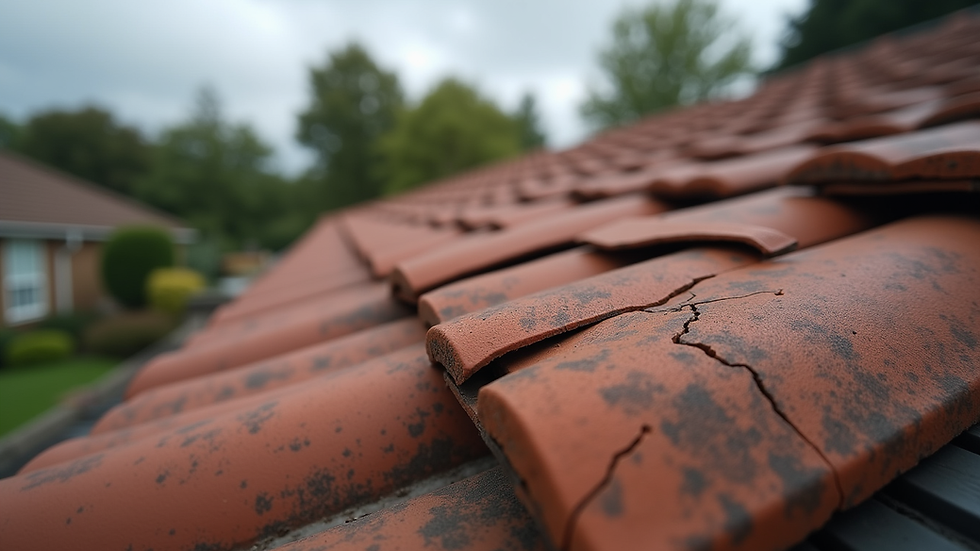
Damaged or displaced shingles and tiles
Missing shingles, cracked tiles, and loose roof pieces leave the roof system exposed. Even one damaged section can allow water to reach the underlayment. If the underlayment is also worn, moisture can move into the decking.
Tile roofs need special care. Walking on tiles without the right technique can crack them. A trained roofing professional knows how to inspect these systems while reducing the risk of more damage.
Failed flashing
Flashing is the metal or waterproof material installed where the roof meets another surface. It protects some of the most leak-prone areas on a roof.
Leaks often form around:
Chimneys
Skylights
Walls and roof intersections
Plumbing vents
Exhaust vents
Roof valleys
When flashing pulls away, corrodes, cracks, or loses sealant, water can slip behind it.
Clogged drainage paths
Gutters, downspouts, scuppers, and valleys help control water. When leaves, palm fronds, seed pods, or roof debris block drainage, water sits where it should not. Standing water increases the chance of leaks and can shorten the life of roofing materials.
Aging underlayment
Underlayment is a key water barrier beneath the visible roof covering. In South Florida, heat and moisture can wear it down over time. A tile roof may look fine from the street while the underlayment beneath it has lost effectiveness.
Poor past repairs
Temporary patches, mismatched materials, exposed fasteners, and heavy surface sealant can fail during the next strong storm. A quick fix may stop a drip for a short time, but it often does not solve the underlying problem.
How homeowners can identify leaks early
Early detection can save money and reduce stress. Homeowners do not need to climb on the roof to spot problems. In many cases, the best clues are inside the home or visible from the ground.

Check ceilings and walls after storms
After heavy rain, look at ceilings, upper walls, closet corners, and areas around light fixtures. Watch for:
Brown or yellow stains
Bubbling paint
Peeling drywall tape
Damp spots
Musty odors
Drips during or after rainfall
A stain that dries out still needs attention. Dry does not mean fixed. It often means the rain stopped.
Inspect the attic safely
If the attic is accessible and safe to enter, use a flashlight to look for moisture clues. Avoid stepping off secure framing, and never inspect during a storm.
Look for:
Dark stains on roof decking
Damp insulation
Rust on nails or metal connectors
Daylight coming through roof openings
Mold-like growth
Water trails along rafters
If there is any concern about electrical hazards, structural damage, or unstable footing, wait for a professional inspection.
Walk the property after high winds
From the ground, scan the roofline and yard. Look for roof pieces, broken tiles, shingle granules, bent vents, or loose flashing. Also check gutters and downspouts for heavy debris.
Binoculars can help, but avoid climbing ladders if conditions are wet or windy.
Watch for changes around skylights and vents
Skylights, plumbing vents, and exhaust vents are common leak points. Look for staining, cracked sealant, fogging, or water marks around these areas. If a leak appears only during wind-driven rain, these roof penetrations deserve close attention.
Schedule regular inspections
Regular inspections are one of the best ways to catch leaks before they spread. In Palm Beach Gardens, it makes sense to schedule inspections before and after the storm-heavy season, as well as after major wind events.
A professional inspection can find loose flashing, small cracks, worn sealant, soft decking, and drainage issues before they turn into interior damage.
A roof leak is usually easier to repair before water reaches the living space.
Why hiring local roofing experts matters
Roofing is not just about materials. It is also about climate, installation practices, permitting, and local code requirements. A contractor who works regularly in Palm Beach Gardens brings practical knowledge that can make repairs more reliable.
Local experts understand regional weather
Anthony Conti Roofing understands how South Florida storms affect homes. Local experience helps identify damage patterns caused by:
Wind-driven rain
Tropical storm conditions
High humidity
Salt-laden air near coastal areas
Intense UV exposure
Heavy seasonal rainfall
This matters because the visible leak may not be the full problem. A local roofer knows where to look based on the roof type, age, and recent weather.
Local crews know area roof systems
Palm Beach Gardens homes may have concrete tile, clay tile, asphalt shingles, metal roofing, flat roof sections, or blended systems. Each type has different leak patterns and repair methods.
Using the wrong material or approach can create new problems. Local roofing professionals can match repair methods to the existing system and the conditions it must handle.
Building codes and permits matter
Florida has specific roofing requirements, and local authorities may require permits depending on the scope of work. Code-aware repair work helps protect the home and supports long-term performance.
A knowledgeable local roofing company can explain when permitting may be needed, which materials fit the roof system, and how repairs should be documented.
Faster response can limit damage
When water is entering a home, response time matters. A local roofing team can often assess conditions more quickly than a company traveling from outside the area. That can help reduce secondary damage and keep the repair process moving.
What to expect during the roof repair process
A good repair process should feel clear from the start. Homeowners should know what the roofer is checking, what the repair will involve, and what happens after the work is complete.
The exact steps can vary based on the roof type and damage, but the process often follows this path.

1. Start with a conversation about the leak
The process begins with basic information. The roofer may ask:
When did the leak first appear?
Does it happen during every rain or only during heavy wind?
Where is the stain or drip located?
Has the roof had past repairs?
How old is the roof?
Were there recent storms or falling branches?
These details help narrow the inspection area.
2. Inspect the interior signs
A professional may look at the ceiling stain, attic space, wall cavities, or nearby fixtures. Interior evidence helps trace the water path. Since water can travel, the visible stain may not sit directly below the entry point.
Moisture readings may also help confirm whether materials are still wet.
3. Inspect the roof surface
Next, the roofer evaluates the exterior. This may include checking shingles, tiles, metal panels, roof valleys, vents, flashing, skylights, gutters, and roof edges.
The goal is to find the source, not just seal the nearest crack. A complete inspection helps prevent repeat leaks.
4. Document the findings
Clear documentation is useful. Homeowners should expect photos, notes, and an explanation of the problem. This makes it easier to understand what needs repair and why.
Documentation can also help if the homeowner needs to discuss storm damage with an insurance company. A roofer should not promise coverage, but good photos and written details can support the conversation.
5. Review repair options
Some leaks need a small targeted fix. Others reveal broader wear. A roofing professional may explain several options, such as replacing damaged shingles or tiles, repairing flashing, clearing drainage paths, replacing underlayment in a section, or addressing damaged decking.
The recommendation should match the actual condition of the roof. The best repair is the one that solves the leak and fits the roof system, not the fastest patch.
6. Protect the home before work begins
Before repairs start, the crew prepares the work area. This may include moving patio furniture, protecting landscaping where possible, setting up ladders safely, and placing tarps to catch debris.
If rain is expected before permanent work can begin, a temporary dry-in or tarp may be recommended. Temporary protection is not a final repair, but it can reduce damage while materials or schedules are arranged.
7. Remove damaged materials
The crew removes the affected materials carefully. This step may reveal hidden issues, such as rotted decking, brittle underlayment, or fasteners that no longer hold properly.
A trustworthy roofer will explain any newly discovered issues before changing the scope of work.
8. Repair the source of the leak
The actual repair may involve new flashing, replacement shingles or tiles, sealed penetrations, new underlayment, repaired decking, or improved drainage. For a lasting result, each layer must work together.
This is where experience matters. A surface seal may stop water briefly, but proper roof repair addresses the path water used to enter.
9. Test and inspect the completed repair
After the work is done, the crew checks the repair area. Some leaks can be water-tested when conditions allow. The roofer should also inspect nearby areas to confirm no obvious weak points remain.
10. Clean the work area and review the repair
Cleanup should include removing debris, unused materials, and old roofing pieces. The roofer should review what was repaired and share any maintenance advice.
Homeowners should keep repair records, photos, and warranty details in one place. These documents are useful for future inspections, insurance questions, and home sale records.
How to reduce the chance of future leaks
No roof lasts forever, but steady maintenance helps prevent avoidable leaks. In Palm Beach Gardens, a simple seasonal routine can make a real difference.
Focus on the basics:
Keep gutters and roof valleys clear of leaves and palm debris.
Trim branches that scrape or hang over the roof.
Check ceilings and attic areas after major storms.
Look for loose, cracked, or missing roof materials from the ground.
Schedule professional inspections on a regular basis.
Address small issues before storm season gets active.
Homeowners should also avoid pressure washing roofing materials unless the roof manufacturer and a roofing professional confirm it is safe. High-pressure cleaning can damage tiles, shingles, coatings, and seals.

A local repair done right protects more than the roof
A roof leak is more than a nuisance. It can affect insulation, drywall, flooring, indoor air quality, and the structure beneath the roofing system. Fast action helps, but careful action matters just as much.
Anthony Conti Roofing brings local knowledge to Palm Beach Gardens homes, including an understanding of heavy rain, high winds, roof materials common to the area, and code-related repair considerations. When a leak appears, the right response is a thorough inspection, a clear explanation, and a repair built for South Florida conditions.
If there is a stain on the ceiling, debris in the yard after a storm, or a concern about an aging roof, do not wait for the next downpour to test the problem. Schedule an inspection, ask questions, and get the leak source addressed before a small issue becomes a larger repair.


Comments