
Tile Roof Repair: Tips and Techniques for Effective Tile Roof Maintenance
Tile roofs are a popular choice for many homes due to their durability and classic appearance. However, like any roofing material, tile roofs require regular maintenance and timely repairs to keep them in good condition. In this post, I will share practical tips and techniques for tile roof repair and maintenance. These insights will help you protect your home and extend the life of your roof.
Essential Tile Roof Maintenance Tips
Maintaining a tile roof involves more than just occasional inspections. It requires a proactive approach to identify and fix issues before they escalate. Here are some key tile roof maintenance tips that I recommend:
Regular Inspections: Check your roof at least twice a year, ideally in spring and fall. Look for cracked, broken, or missing tiles. Also, inspect after severe weather events.
Clean Debris: Remove leaves, branches, and dirt from the roof surface and gutters. Debris can trap moisture and cause damage.
Check Flashing and Sealants: Flashing around chimneys, vents, and skylights should be intact and sealed properly to prevent leaks.
Address Moss and Algae: These can grow on tiles in humid climates. Use a gentle roof cleaner designed for tile roofs to remove growth without damaging the tiles.
Avoid Walking on Tiles: Tile roofs can be fragile. If you must walk on them, wear soft-soled shoes and step carefully on the lower edges of tiles.
By following these maintenance tips, you can reduce the risk of costly repairs and keep your roof looking great.
Common Tile Roof Repair Techniques
When damage occurs, knowing the right repair techniques is crucial. Here are some common tile roof repair methods I use and recommend:
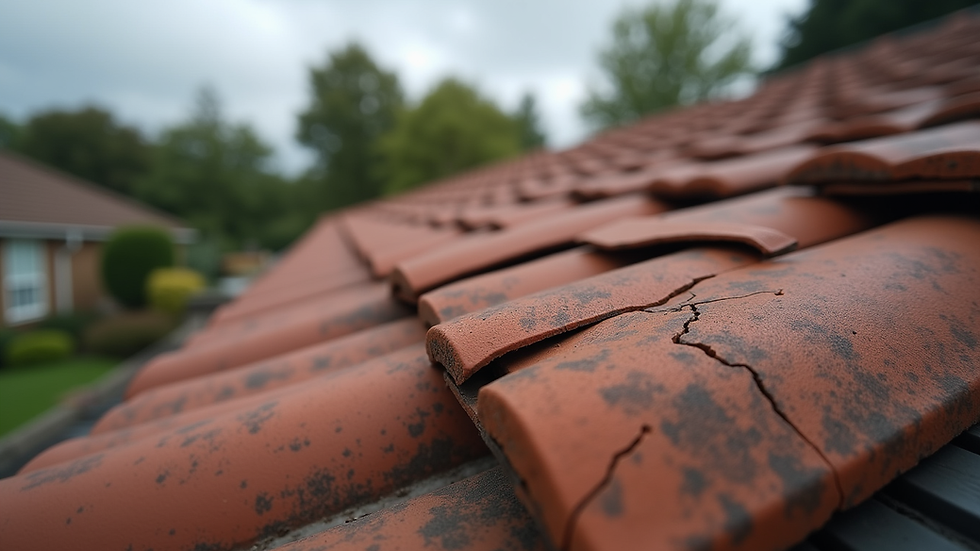
Replacing Broken Tiles: Carefully remove the damaged tile by lifting the surrounding tiles. Slide out the broken tile and replace it with a new one. Secure it properly to prevent movement.
Fixing Leaks: Identify the source of the leak, often around flashing or broken tiles. Replace or reseal flashing and damaged tiles. Use roofing cement or sealant for minor cracks.
Reattaching Loose Tiles: Loose tiles can be re-secured with roofing adhesive or clips designed for tile roofs.
Repairing Underlayment: If water damage is severe, the underlayment beneath the tiles may need repair or replacement. This usually requires professional help.
Cleaning and Sealing: After repairs, clean the roof and apply a sealant to protect tiles from moisture and UV damage.
These techniques help restore the roof’s integrity and prevent further damage.
What is the Typical Lifespan of a Tile Roof in Florida?
Tile roofs are known for their longevity, especially in Florida’s climate. On average, a well-maintained tile roof can last 50 years or more. Factors that influence lifespan include:
Quality of Tiles: Clay and concrete tiles are common. Clay tiles tend to last longer but are more expensive.
Installation Quality: Proper installation is critical to prevent leaks and tile breakage.
Maintenance: Regular inspections and timely repairs extend the roof’s life.
Weather Exposure: Florida’s sun, rain, and occasional storms can affect roof durability.
Understanding the lifespan helps homeowners plan for maintenance and eventual replacement.

When to Call a Professional for Tile Roof Repair
While some minor repairs can be done by homeowners, many tile roof issues require professional expertise. Here are signs that you should contact a roofing expert:
Extensive Tile Damage: Large areas of broken or missing tiles.
Persistent Leaks: Water stains inside the home or attic.
Damaged Flashing or Underlayment: These require specialized repair.
Roof Age: Older roofs may need a full inspection and possible replacement.
Safety Concerns: Roof access can be dangerous without proper equipment and training.
If you live in South Florida, I recommend reaching out to a trusted service like tile roof repair Wellington fl for reliable and professional assistance.
Preventing Future Tile Roof Problems
Prevention is the best strategy to avoid costly repairs. Here are some proactive steps to keep your tile roof in top shape:
Trim Overhanging Branches: Prevent branches from rubbing against tiles or falling during storms.
Maintain Gutters: Clean gutters regularly to ensure proper drainage.
Install Snow Guards (if applicable): In colder climates, these prevent snow and ice damage, though less relevant in Florida.
Use Quality Materials: When replacing tiles or flashing, choose high-quality products designed for your climate.
Schedule Professional Inspections: Annual inspections by a roofing expert can catch problems early.
By taking these steps, you protect your investment and maintain your home’s curb appeal.
Final Thoughts on Tile Roof Care
Tile roofs offer beauty and durability, but they need care to perform well over time. Regular maintenance, timely repairs, and professional inspections are key. Whether you are dealing with a few cracked tiles or suspect a leak, addressing issues promptly will save you money and stress.
If you need expert help, consider contacting a local specialist who understands the unique challenges of South Florida roofing. Keeping your tile roof in excellent condition ensures your home stays safe and comfortable for years to come.


Comments