
Expert Roof Repair Services in Wellington FL by Anthony Conti Roofing
A small roof stain can look harmless until a Florida storm turns it into soaked insulation, damaged drywall, or a costly structural problem. In Wellington, high heat, heavy rain, wind-driven debris, and long humid seasons all place steady pressure on roofing systems. When damage appears, the quality of the repair matters as much as the speed of the response.
Anthony Conti Roofing provides professional roofing services for homeowners who need clear answers, careful workmanship, and repairs built for South Florida conditions. From missing shingles to tile damage and flashing failures, the goal is simple: find the source of the problem, correct it properly, and help the roof last as long as possible.

Why professional roofing service matters
Roofing problems rarely stay in one place. A cracked tile, lifted shingle, or loose flashing detail can allow water to travel under the surface before it appears indoors. By the time a ceiling stain shows up, moisture may already have moved through underlayment, roof decking, insulation, or wall cavities.
Hiring a professional roofing contractor helps prevent guesswork. A trained roofer looks at the full system, not just the visible symptom.
Professional service offers several clear benefits.
Accurate diagnosis
Water does not always enter directly above the stain. It may run along rafters, follow fasteners, or collect around vents before showing up inside. A professional inspection traces the source and checks nearby vulnerable areas.
Safer repairs
Roof work involves height, heat, unstable surfaces, and weather exposure. Tile roofs can crack under the wrong foot placement, and steep slopes increase the risk of falls. Experienced roofers use proper safety practices and equipment.
Correct materials
A repair must match the existing roofing system. Asphalt shingles, concrete tile, clay tile, flat roof membranes, metal flashing, sealants, and underlayment each require the right product and method. Using the wrong material can shorten the life of the repair.
Protection from future damage
Professional repairs address both the visible issue and the conditions that caused it. That may include worn sealant, failed flashing, clogged drainage, poor ventilation, or storm impact.
Clear documentation
A reliable roofing company can document damage, explain repair options, and provide a written scope of work. That clarity helps homeowners understand what is being repaired and why.
Common roofing issues in the Wellington area
Wellington’s climate creates a demanding environment for roofs. Heat, moisture, storms, and vegetation all play a role. Many roofing issues start small, then grow quickly during the rainy season.
Wind and storm damage
South Florida storms can lift shingles, loosen ridge caps, displace tiles, and drive rain beneath roofing materials. Even when a roof looks intact from the ground, wind can break seals or shift components enough to create leaks later.
After strong weather, common warning signs include:
Missing, lifted, or curled shingles
Broken or slipped roof tiles
Debris impact marks
Exposed fasteners
New water spots on ceilings or walls
Granules collecting near downspouts
Tile roof cracks and displacement
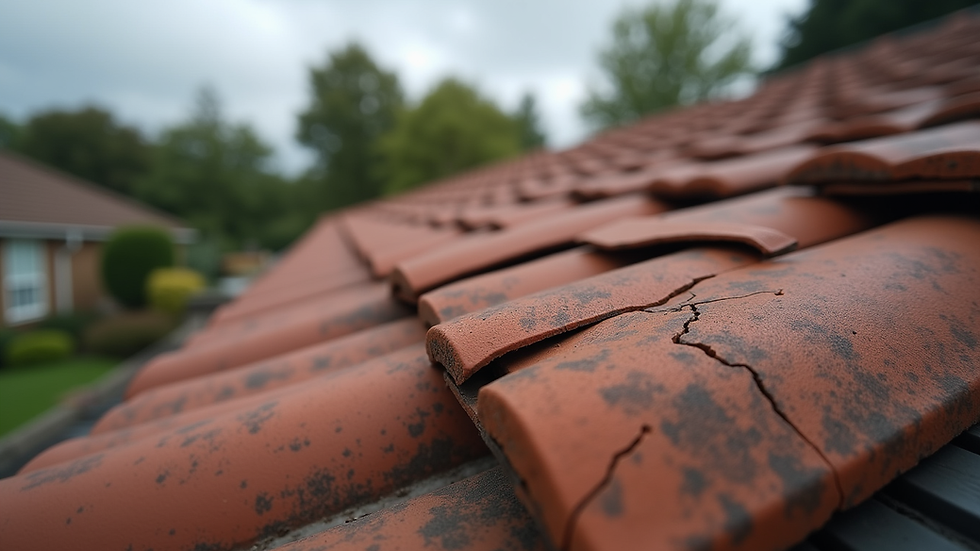
Tile roofs are common in the region because they perform well in heat and add strong curb appeal. Still, tiles can crack from impact, foot traffic, settling, or age. A broken tile may seem like a surface problem, but the underlayment below is the true water barrier. Once underlayment is exposed to sun and rain, leaks become more likely.
Flashing failures
Flashing protects roof transitions, including chimneys, skylights, vents, valleys, and wall intersections. These areas move differently than the main roof surface and often collect water. Failed flashing is one of the most common sources of leaks because it sits at the points where the roof is most vulnerable.
Flat roof ponding and membrane wear
Some homes include flat or low-slope roof sections over patios, additions, garages, or entries. These areas need proper drainage and compatible materials. Standing water, membrane cracks, seam separation, and poor edge details can all lead to moisture intrusion.
Sun and heat aging
Florida sun gradually dries and weakens roofing materials. Shingles can lose granules, sealants can crack, and underlayment can become brittle over time. A roof may still look acceptable from the street while key components are losing performance.
Mold, algae, and organic buildup
Humidity and shade can lead to algae streaks, mildew, and moss-like growth. These issues are not always structural at first, but they can trap moisture and hide developing damage. Tree debris can also collect in valleys and gutters, forcing water to back up under roof edges.

How Anthony Conti Roofing approaches the repair process
A strong roofing repair starts with a careful inspection and ends with a clean, weather-ready finish. Anthony Conti Roofing follows a practical process that helps homeowners understand the condition of the roof and the best path forward.
The inspection identifies the source
The process begins with an exterior inspection of the roof surface, penetrations, valleys, edges, and drainage points. If there is an active leak, the interior may also be reviewed for stains, moisture patterns, and signs of spreading damage.
The inspection focuses on questions that matter:
Where is water entering?
Is the damage localized or part of a larger pattern?
Are roofing materials still serviceable?
Is underlayment or decking affected?
Are there nearby weak points that should be addressed at the same time?
This step is essential because a rushed patch can cover the symptom while leaving the failure in place.
The repair plan explains scope and materials
After the inspection, the homeowner receives a clear explanation of the findings. A good repair plan outlines the affected area, recommended work, and materials needed. For some homes, the solution may be a targeted repair. For others, widespread deterioration may call for broader corrective work.
The plan should also note whether the repair involves shingles, tiles, flashing, underlayment, decking, sealants, vents, or drainage details.
Damaged materials are removed carefully
Before new materials are installed, damaged components must be removed without creating more problems. On a tile roof, this may mean lifting surrounding tiles with care. On a shingle roof, it may require removing damaged shingles and checking the layers beneath. On a low-slope section, damaged membrane areas or failed seams may need to be opened and prepared.
If wet or softened decking is found, it should be addressed before the roof covering is restored. Covering compromised wood can trap moisture and weaken the repair.
Underlayment and flashing are restored
The layers beneath the visible roof surface are critical. Underlayment helps shed water that gets past the outer material. Flashing directs water away from joints and transitions. When these areas fail, leaks often return even after surface repairs.
Depending on the roof type and damage, repairs may include:
Synthetic or asphalt-based underlayment
Peel-and-stick waterproofing membrane in vulnerable areas
Galvanized, aluminum, or other compatible metal flashing
Drip edge or edge metal repairs
Pipe boot or vent flashing replacement
Roofing-grade sealants used only where appropriate
Sealant alone is rarely a complete long-term fix. It can be part of the work, but the underlying detail must be correct.
Matching materials finish the repair
The visible roofing material is restored once the protective layers are sound. Anthony Conti Roofing works to blend repairs with the existing roof when possible. Material matching may involve shingle color, tile profile, tile color, ridge details, or metal finish.
Because older roofing products can fade or become discontinued, an exact match is not always possible. In those cases, the priority is a durable repair with the closest practical visual match.
Final cleanup and review complete the job
A professional crew should leave the property clean and safe. That includes removing debris, checking for loose nails or broken pieces, and reviewing the completed work. The homeowner should understand what was repaired and what to monitor over time.

Materials used for dependable roof repairs
Different roofing systems need different repair methods. The best material is the one designed for the roof type, slope, exposure, and local weather.
Asphalt shingles
Asphalt shingles remain common because they are versatile and cost-effective. Repairs may involve replacing damaged shingles, resealing lifted areas, restoring flashing, or replacing affected underlayment. Proper nail placement and shingle alignment are key to preventing future wind lift.
Concrete and clay tile
Tile repairs often focus on broken tiles, slipped tiles, ridge details, and underlayment protection. The tile itself sheds most rain, but the underlayment provides the main defense against water entry. Professional handling matters because walking incorrectly on tile can create new cracks.
Metal flashing
Flashing is used around roof penetrations and transitions. It must be shaped and installed correctly so water flows over it, not behind it. Compatible metal and fasteners help reduce corrosion and premature failure.
Low-slope roofing materials
Low-slope areas may use modified bitumen, membrane systems, coatings, or other approved materials based on the roof design. These repairs require attention to seams, slope, drainage, and edge conditions.
Roofing sealants and adhesives
Roofing-grade sealants can help with specific details, but they should not be treated as a cure-all. The strongest repairs rely on correct layering, flashing, fastening, and water-shedding design.
Representative repair stories from local homeowners
Without sharing private customer details, the following examples reflect common situations handled by professional roofers in the Wellington FL area.
A storm leak traced to lifted flashing
After several days of heavy rain, a homeowner noticed a stain spreading near a living room window. The leak appeared to come from the wall, but inspection showed lifted step flashing where a roof plane met a vertical surface. Wind-driven rain had entered at the transition and traveled behind the wall finish.
The repair included removing affected materials, replacing the faulty flashing, restoring the underlayment tie-in, and reinstalling matching roofing components. After the next rainfall, the interior area stayed dry.
The key lesson: leaks at roof-to-wall intersections often look like window or siding problems, but the roof detail may be the source.
Broken tiles found before a major leak developed
In another case, a homeowner scheduled an inspection after seeing broken tile pieces near the driveway. Several cracked tiles were found near a valley where tree debris had collected. The underlayment was still mostly intact, but it had begun to show wear from sun exposure.
The repair included replacing broken tiles, clearing the valley, checking the underlayment, and correcting a small drainage obstruction. Because the issue was caught early, the homeowner avoided interior water damage.
The key lesson: visible roof debris on the ground should not be ignored. It can point to hidden damage above.
A low-slope patio roof repaired after ponding water
A home with a low-slope patio section had recurring moisture near the ceiling after storms. The inspection showed worn membrane seams and water ponding in a shallow area. The repair focused on the affected membrane section, seam reinforcement, and improved water flow at the edge.
The key lesson: flat and low-slope roof areas need special attention because they do not shed water the same way steep roofs do.
Maintenance tips to extend roof life
A roof lasts longer when small problems are handled before they spread. Regular care also helps protect the investment made in professional repairs.
Use these practical habits throughout the year.
Schedule routine roof inspections
A yearly inspection is a reasonable plan for many homes, with additional checks after major storms. Professional inspections can catch cracked tiles, loose flashing, worn sealant, and early signs of leaks.
Keep gutters and valleys clear
Leaves, palm fronds, and branches can block water flow. When water backs up, it may travel beneath roofing materials. Clean gutters and open valleys help the roof shed water as designed.
Trim nearby trees
Branches can scrape roofing materials, drop debris, and break tiles during storms. Keeping trees trimmed reduces impact damage and improves roof ventilation and drying.
Watch indoor warning signs
Ceiling stains, bubbling paint, musty odors, and damp attic areas should be checked promptly. Interior symptoms often mean water has already entered the building envelope.
Avoid walking on the roof
Foot traffic can crack tiles, loosen granules, and damage flashing. If an inspection or cleaning is needed, it is safer to call a roofing professional.
Address minor damage quickly
One missing shingle or cracked tile may not seem urgent, but Florida rain can turn small openings into larger repairs. Timely service helps limit moisture damage.

Choosing the right roofing partner
The right contractor should be easy to understand, careful on the property, and direct about what the roof needs. Anthony Conti Roofing brings local knowledge, professional repair practices, and attention to materials that fit South Florida homes.
Before approving any work, homeowners should look for:
A clear explanation of the damage
A written repair scope
Proper material recommendations
Attention to underlayment and flashing
Safe work practices
Clean completion and follow-up guidance
A dependable repair is more than a patch. It is a focused correction that protects the home from the next storm, the next rainy week, and the long stretch of heat that follows.
When roof damage appears, acting early is the best move. A professional inspection from Anthony Conti Roofing can separate minor surface wear from problems that need prompt attention. With the right materials, careful workmanship, and ongoing maintenance, a repaired roof can continue protecting the home for years to come.


Comments